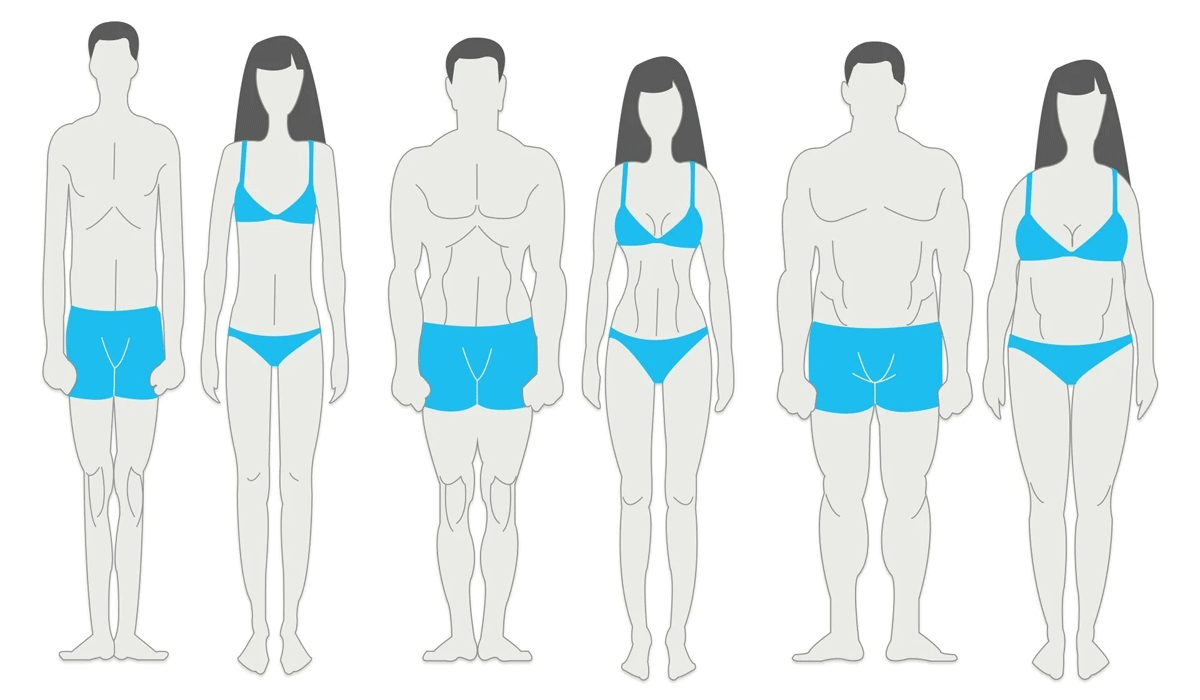
Body training is the key to improving fitness, strength, and long-term health, discover a complete guide covering the benefits.
Body training is not just a modern lifestyle trend, but an essential need for maintaining both physical and mental health. In the middle of busy routines and limited physical activity, many people are beginning to realize the importance of regular exercise as a long-term investment in their bodies.
The following Trattoeia Allasio will discuss about Body training is the key to improving fitness, strength and long-term health.
Benefits of Body Training
Body training offers numerous benefits for overall health. One of the primary advantages is improved cardiovascular fitness. By exercising regularly, the heart becomes stronger in pumping blood, allowing oxygen circulation throughout the body to function more efficiently.
In addition, physical exercise helps build and maintain muscle mass. As we age, muscle mass naturally declines. Through weight training or strength exercises, this decline can be slowed down, helping the body remain fit and strong.
From a mental perspective, body training stimulates the production of endorphins, often referred to as the “happy hormones.” These hormones help reduce stress and improve mood. That is why many people feel refreshed and energized after working out.
Types of Body Training Exercises
Body training can be divided into several main categories. The first is cardiovascular exercise, such as running, cycling, or swimming. This type of exercise focuses on improving heart and lung endurance.
The second is strength training or resistance training. This involves using weights, whether dumbbells, barbells, or body weight exercises such as push-ups and squats. The goal is to strengthen muscles and boost the body’s metabolism.
The third type includes flexibility and balance training. Yoga and static stretching fall into this category. Flexibility exercises help maintain joint range of motion and prevent injuries during other physical activities.
Also Read: Ultimate Body Training Guide for Beginners
Basic Principles of Body Training
To achieve maximum results, there are several basic principles of body training that should be considered. One of them is the principle of progressive overload, which means gradually increasing the intensity of your workouts. The body adapts to a certain level of stress, so gradual increases are necessary to continue stimulating improvement.
Consistency is also extremely important. Exercising regularly, for example three to five times per week, will produce better results than intense workouts performed only occasionally. Consistency helps the body form habits and accelerates physical adaptation.
Adequate rest should not be overlooked. Muscles need time to recover after exercise. Without sufficient recovery time, the risk of injury and fatigue increases. Therefore, workout schedules should be balanced with rest days or light training sessions.
The Importance of Nutrition and Hydration
Body training will not be optimal without proper nutritional support. Nutrition plays a vital role in muscle building and energy recovery. Adequate protein intake helps repair muscle tissues that are damaged during workouts.
Carbohydrates are also essential as the body’s primary energy source. Without sufficient carbohydrate intake, the body will tire quickly and workout performance will decline. Healthy fats, vitamins, and minerals also contribute to maintaining overall body function.
Hydration is another crucial factor. During exercise, the body loses fluids through sweat. Dehydration can cause muscle cramps, fatigue, and reduced concentration. Drinking water before, during, and after workouts is highly recommended.
Tips for Staying Consistent with Training
Many people start body training with high enthusiasm but stop halfway. To stay consistent, it is important to set realistic and measurable goals. For example, losing a few kilograms over several months or increasing the number of push-ups in one session.
Creating a regular workout schedule can also help build discipline. Choose a time that best fits your daily routine so exercise does not feel like an additional burden.
In addition, varying your workouts can prevent boredom. Combining different types of exercises or trying new fitness classes can make the training process more enjoyable. Support from friends or a fitness community can also increase motivation to keep going.
Image Information Source:
- First Image Musclefirst
- Second Image
About the Author