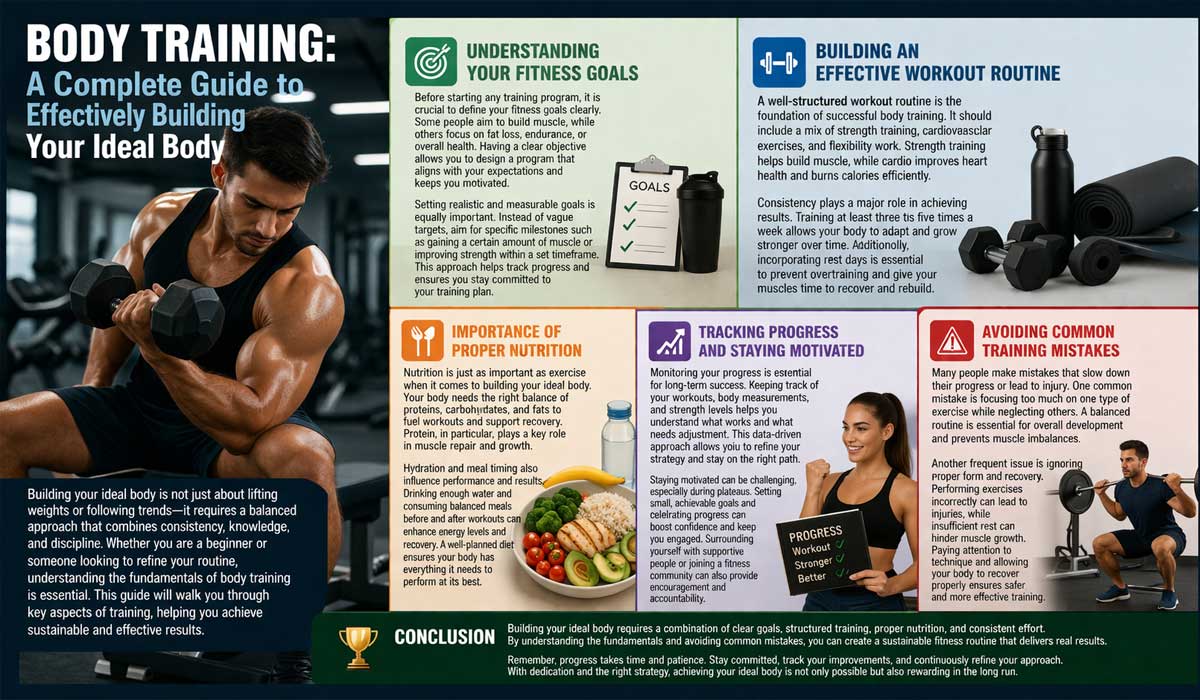
Body training is more than just lifting weights or running on a treadmill; it’s a holistic approach to strengthening the body.
Improving physical performance, and enhancing overall well being. Whether you’re a beginner or an experienced athlete, understanding how to train effectively can transform your strength, shape, and stamina. Here Trattoeia Allasio – Let’s Tak Fitne will guide you through the journey from beginner weightlifting moves to advanced routines, ensuring a safe, effective and sustainable transformation.
Building Strength: The Foundation of Body Training
Strength is the cornerstone of any effective body training regimen. Developing muscle strength not only enhances physical appearance but also supports joint stability and overall functionality. Resistance training, including weightlifting, bodyweight exercises, and resistance bands, is essential to stimulate muscle growth and improve endurance.
Proper form and gradual progression are crucial for building strength safely. Pushing too hard too soon can lead to injuries, while consistent, well-structured training ensures steady gains. Core exercises, such as squats, deadlifts, and push-ups, engage multiple muscle groups, providing a strong foundation for more advanced training.
Nutrition also plays a vital role in strength development. Adequate protein intake, balanced with carbohydrates and healthy fats, supports muscle repair and growth. Staying hydrated and ensuring sufficient rest between sessions allows muscles to recover, which is key for long-term strength improvements.
Shaping Your Body: Sculpting and Toning
While strength is the foundation, body shaping focuses on toning and sculpting muscles to achieve an aesthetically balanced physique. Combining resistance training with targeted exercises helps define specific areas, such as arms, abs, and legs, while promoting overall muscular symmetry.
Cardiovascular exercises complement body shaping by reducing excess fat and enhancing muscle visibility. Activities like running, cycling, or high-intensity interval training (HIIT) improve cardiovascular health and accelerate calorie burning, which reveals the toned muscles beneath.
Consistency and variety are essential for effective body shaping. Alternating exercises, adjusting resistance levels, and targeting different muscle groups prevent plateaus and stimulate continuous progress. A structured training plan ensures all major muscle groups develop proportionally for a balanced, strong, and aesthetically pleasing physique.
Also Read: Body Transformation Blueprint: Smart Tips to Reshape Your Physique and Boost Your Confidence
Enhancing Stamina: Endurance for Performance
Stamina, or endurance, is a critical component of body training that allows the body to sustain prolonged physical activity. High stamina not only improves performance in sports and workouts but also enhances daily energy levels and overall health. Aerobic exercises, such as jogging, swimming, and cycling, build cardiovascular endurance, while circuit training improves muscular stamina.
Incorporating interval and plyometric training helps push the limits of cardiovascular and muscular endurance simultaneously. These methods challenge the heart, lungs, and muscles, boosting overall stamina and improving recovery times between intense activity sessions.
Mental endurance is equally important in developing stamina. Body training requires discipline, consistency, and the ability to push through challenging sessions. Setting achievable goals and tracking progress fosters motivation, encouraging individuals to sustain their training over time and reach new levels of physical capability.
Integrating Strength, Shape, and Stamina
A comprehensive body training program integrates strength, shape, and stamina to create a well-rounded fitness routine. Focusing exclusively on one area can lead to imbalances, but combining all three ensures optimal health and performance. For instance, a session might begin with strength exercises, followed by cardio for stamina, and finish with targeted toning exercises.
Recovery and rest are essential in this integrated approach. Muscles need time to repair, and cardiovascular systems require rest to adapt to increased workloads. Overtraining can hinder progress and increase the risk of injury, so balancing activity with proper recovery is crucial.
Lifestyle factors, including diet, sleep, and stress management, complement training. Adequate sleep promotes muscle repair and energy replenishment, while a balanced diet fuels workouts and supports recovery. Stress management techniques, such as mindfulness or yoga, reduce the negative impact of cortisol, helping maintain consistent training performance.
Conclusion
Body training is a multifaceted approach that transforms strength, shape, and stamina, resulting in a healthier, stronger, and more resilient body. By focusing on building strength, sculpting muscles, enhancing endurance, and integrating all aspects into a balanced routine, individuals can achieve both functional performance and aesthetic goals. With dedication, consistency, and mindful attention to nutrition and recovery, body training becomes a lifelong journey of improvement, confidence, and physical empowerment.
Image Source:
- First Image from: thecutgym.com
- Second Image from:xsfitness.com.au
About the Author