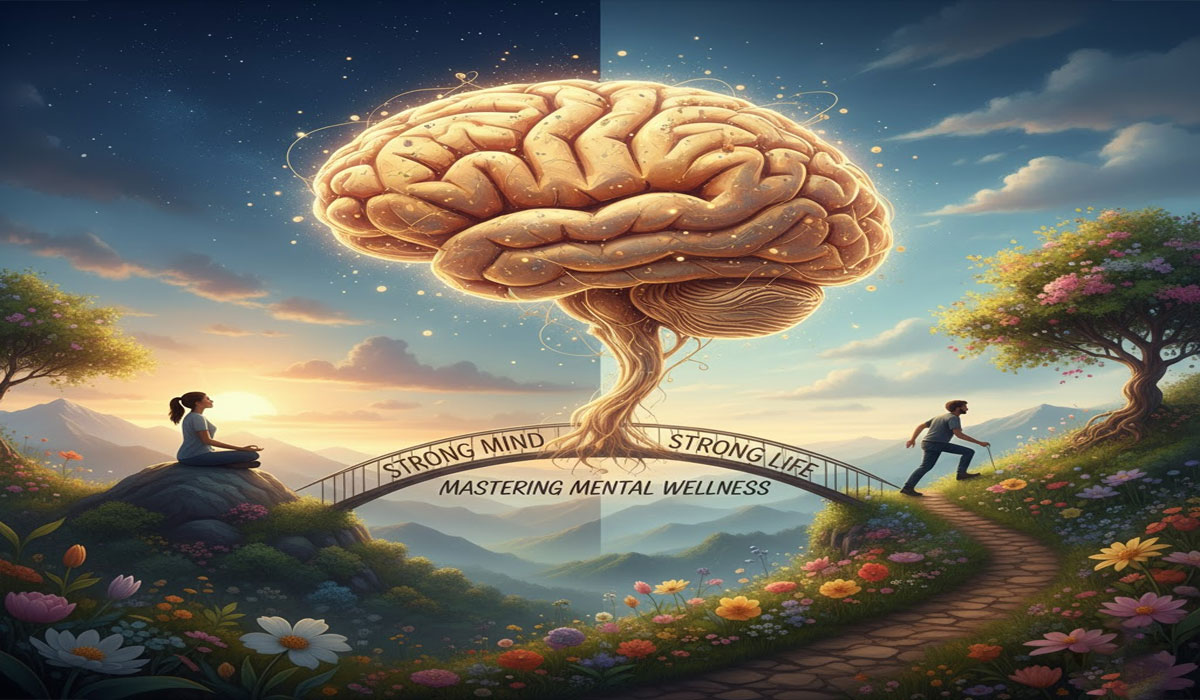
Learn how to cultivate positive thinking patterns for strong, happy, and balanced mental health through simple, yet effective strategies.
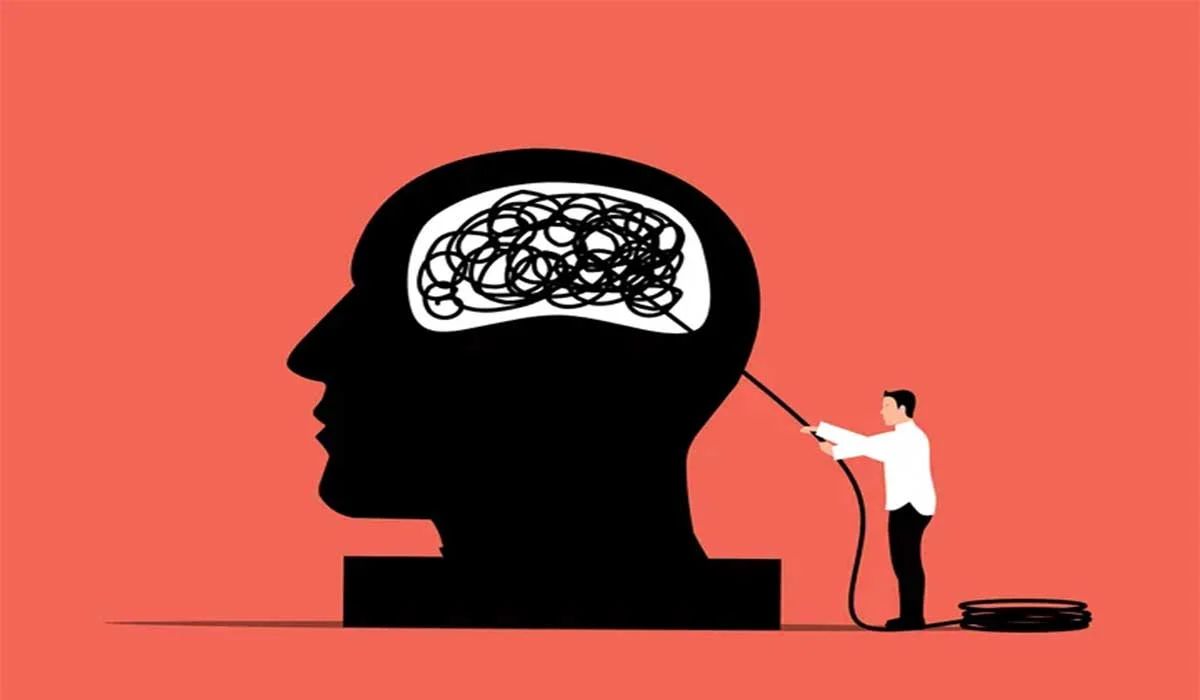
Mind and health are interconnected, creating emotional and mental balance, enabling us to face life’s stress and challenges with calm and focus. The following Trattoeia Allasio – Let’s Tak Fitne… will discuss strategies for sharpening your mindset, improving your mental health, and building emotional resilience in practical ways in everyday life.
Identifying Negative Thought Patterns for Better Mental Health
Negative thought patterns often hinder emotional and mental well-being, leading to stress, anxiety, and feelings of exhaustion. Identifying self-defeating thoughts is the first step. By recognizing unproductive thoughts, one can replace them with more positive and realistic approaches.
Focusing on present-moment feelings helps strengthen self-awareness. Mindset emerges as a central theme here, demonstrating the importance of mental management for long-term health and the ability to cope with daily stress more effectively.
Building a Positive Mindset for Emotional Balance
Developing a positive mindset strengthens mental resilience and the ability to face life’s challenges. Focusing on solutions and opportunities can reduce stress and increase productivity. Practicing gratitude and daily affirmations are effective strategies for strengthening a positive mindset.
A positive mindset emphasizes the importance of developing a healthy perspective that supports mental health. With this approach, individuals can experience significant changes in how they react to problems, create more stable emotional states, and build more harmonious relationships with themselves and others.
Also Read: Mindful Fitness, Building a Positive Mindset For a Balanced Body And Mind
Meditation and Mindfulness Techniques for Mental Resilience
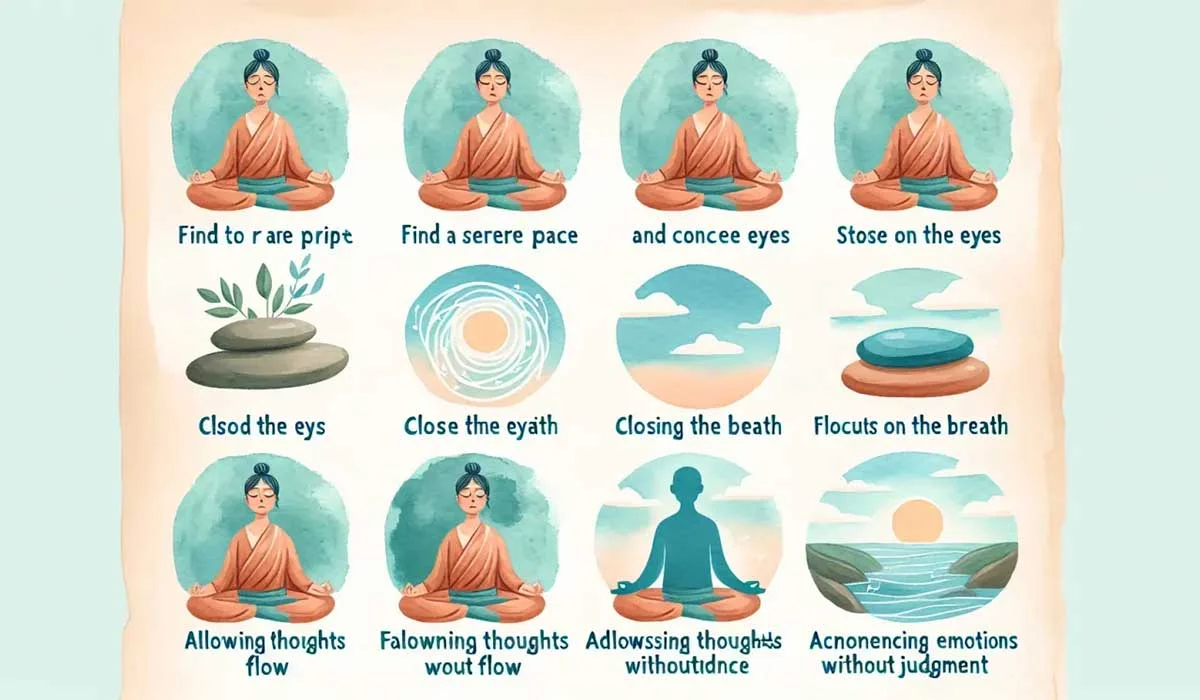
Meditation and mindfulness practices increase self-awareness, reduce anxiety, and focus mental energy on what matters. Training the mind to stay present reduces destructive thought patterns. Breathing techniques, visualization, and regular reflection can strengthen emotional control.
Meditation and mindfulness emphasize how consistent practice supports mental resilience and emotional health. With this understanding, individuals learn to cope with stress, improve focus, and create routines that keep the mind calm and mentally strong every day.
Forming Healthy Habits for Mental Well-Being
Physical and mental health are closely linked; adequate sleep, balanced nutrition, and regular exercise all influence our state of mind. Healthy habits support emotional stability and the ability to cope with stress. Mental well-being emphasizes the need for a daily routine that supports a healthy mind.
By establishing consistent habits, individuals can prevent mental fatigue, maintain focus, and strengthen emotional resilience. Simple activities like taking a leisurely walk, morning meditation, or journaling promote balance and facilitate effective stress management.
Setting Goals and Reflecting for Mental Growth
Setting realistic goals and engaging in regular reflection reinforces a progressive mindset. Self-evaluation and progress help understand personal strengths and weaknesses. Mental growth emphasizes how planning and reflection support psychological development.
With these strategies, individuals can create internal motivation, embrace failure as a learning experience, and continuously improve their mental health. Reflective activities foster deeper self-understanding, facilitate decision-making, and build mental resilience to face the dynamics of everyday life.
Stay tuned for more interesting information at Trattoeia Allasio – Let’s Tak Fitne…
About the Author