Our body and mind are not separate; they constantly influence each other in ways that shape our overall health.

From the food we eat to the thoughts we cultivate, every choice impacts our physical fitness and mental well-being. Understanding this relationship can help us live healthier and happier lives. Below, Trattoeia Allasio – Let’s Tak Fitness we’ll provide a more detailed explanation.
The Invisible Link Between Mind and Body
Our mind and body are deeply connected, often in ways we don’t realize. Thoughts, emotions, and mental states can influence physical health. Stress, for example, can trigger headaches, high blood pressure, or even digestive issues. On the other hand, positive thinking can improve mood, energy, and overall well-being. Scientific studies show that people with optimistic outlooks tend to recover faster from illness and have stronger immune systems.
Mental health isn’t just about avoiding depression or anxiety. It’s about creating balance in life. Regular mindfulness, meditation, and even simple breathing exercises help regulate stress hormones and reduce inflammation in the body. When the mind is calm, the body functions better, and the risk of chronic diseases decreases.
Understanding this connection encourages a more holistic approach to health. Instead of treating symptoms alone, integrating mental wellness with physical care can create lasting results. The mind sends signals to the body, and learning to manage these signals can improve life quality dramatically.
Stress: The Silent Health Saboteur
Stress affects both mental and physical health in surprising ways. Chronic stress can weaken the immune system, increase the risk of heart disease, and disrupt sleep patterns. It also alters hormone levels, leading to fatigue and difficulty concentrating. People often underestimate how much mental pressure influences physical wellness.
The good news is that stress management can reverse these effects. Simple lifestyle changes like regular exercise, balanced nutrition, and sufficient sleep can strengthen the body’s resilience. Activities like yoga and meditation train the mind to respond calmly to challenges, reducing the harmful impact of stress on the body.
Even small daily habits, such as journaling thoughts or taking short nature walks, can reduce stress. By identifying triggers and practicing relaxation techniques, the mind-body connection can be harnessed for better health. The stronger the mental control, the healthier the body becomes, showing that emotional care is just as important as physical care.
Read Also: Trattoria Alassio’s Healthy Body Workout: A Combination of Food And Exercise
Nutrition and Mental Clarity
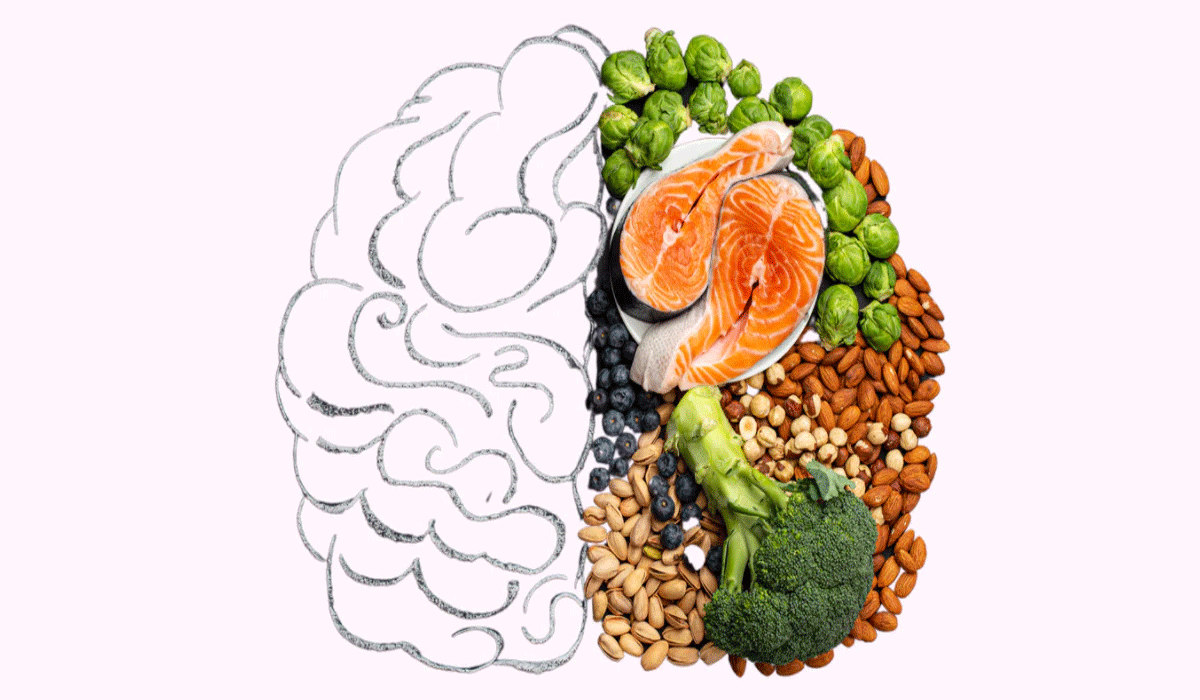
What we eat directly affects how we think and feel. Foods rich in vitamins, minerals, and healthy fats support brain function and stabilize mood. Omega-3 fatty acids, found in fish and nuts, are especially beneficial for mental clarity and emotional balance. On the other hand, processed foods and sugar can increase anxiety and fatigue.
Hydration is another key factor. Even mild dehydration can impact concentration and energy. A healthy diet fuels not only the body but also mental performance. Balanced meals help maintain steady blood sugar levels, preventing mood swings and irritability.
Cooking at home and mindful eating encourage awareness of what goes into the body. When nutrition supports brain health, the mind-body connection strengthens, making it easier to manage stress and stay physically active. Eating well becomes a foundation for overall well-being.
Exercise: Fuel for Body and Mind
Regular physical activity benefits more than just muscles. Exercise releases endorphins, which act as natural mood lifters and stress relievers. Cardiovascular workouts, strength training, and even walking improve circulation and oxygen flow to the brain, boosting mental sharpness.
Consistency is key. Short daily routines often yield better long-term results than occasional intense workouts. Exercise also promotes better sleep, which in turn supports emotional balance. People who stay active report feeling more energetic, focused, and resilient in daily life.
Group activities like dancing, sports, or yoga can enhance social connections, providing mental stimulation and a sense of community. These social benefits further reinforce the mind-body link, showing that physical fitness contributes to emotional and mental well-being just as much as strength or endurance.
Mindfulness and Emotional Fitness
Mindfulness is the practice of staying present and fully aware of one’s thoughts and surroundings. It helps reduce anxiety, improves focus, and enhances emotional regulation. Meditation, deep breathing, and mindful reflection are practical ways to train the mind.
Emotional fitness, much like physical fitness, requires regular practice. Acknowledging emotions without judgment prevents them from negatively affecting the body. Chronic anger, worry, or fear can lead to tension, headaches, and other health issues. Learning to process emotions constructively improves overall wellness.
By integrating mindfulness and emotional awareness into daily routines, we strengthen the mind-body connection. This leads to better decision-making, healthier habits, and a more balanced life. Mental and emotional care becomes a critical part of maintaining both inner peace and physical vitality. By nurturing both your Mind And Body, you can achieve lasting health and balance in every aspect of life.
Image information from:
- The first image of theconsciousclub.com
- The second image of nutrova.com
About the Author