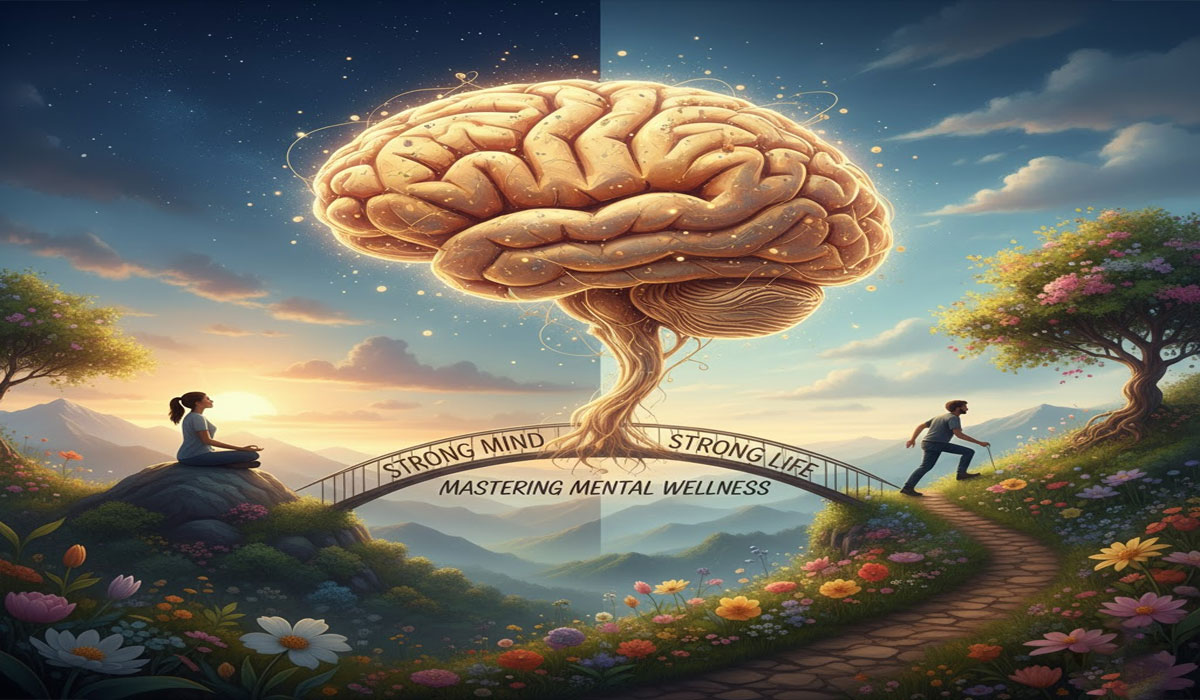
Mental health is an important aspect of everyday life that is often forgotten, our mindset or the way we view the world.
Positive, adaptive, and realistic thinking can help someone cope with stress, solve problems, and maintain emotional stability. Conversely, negative or rigid thinking patterns can worsen psychological conditions and trigger anxiety, depression, or feelings of helplessness. The following Trattoeia Allasio will guide you towards mental health, an important aspect of everyday life.
The Relationship Between Mindset and Mental Health
Mindset acts as a lens through which a person views their life experiences. People with a growth mindset tend to view challenges as opportunities for learning and development. They are more flexible in the face of adversity, don’t give up easily, and are better able to manage stress.
On the other hand, a fixed mindset makes a person perceive their talents and abilities as static, so when faced with failure, they easily feel hopeless or inferior.
Psychological studies show that individuals with a growth mindset have higher levels of mental well-being, are more resilient to stress, and are better able to build healthy interpersonal relationships.
The Impact of Negative Thinking Patterns on Mental Health
Negative or pessimistic thinking patterns can negatively impact mental health. For example, frequently dwelling on negative outcomes, generalizing failures, or excessive self-blame can increase the risk of depression, anxiety, and sleep disorders.
Furthermore, negative thinking patterns not only affect psychological well-being but also impact the body’s physiology. Research shows that chronic stress caused by negative thoughts can increase cortisol levels.
Recognizing negative thinking patterns is important for mental health because with this awareness, a person can transform them into more adaptive and positive ones, allowing them to face life’s challenges more calmly and effectively.
Also Read: Body Training: The Key To Building A Healthy And Strong Body
Strategies for Building a Positive Mindset
There are several strategies you can implement to build a positive mindset and support mental health:
Recognizing negative thoughts: The first step is to recognize thoughts that are demoralizing or triggering stress. Journaling or self-reflection can help.
Replacing negative thoughts with realistic ones: Instead of thinking, “I’m doomed to fail,” change it to, “I will learn from this experience.”
Practicing gratitude and mindfulness: Focusing on the positive and enjoying the present moment can increase feelings of calm and happiness.
Supportive environment: Surrounding yourself with positive and supportive people helps maintain a healthy mindset.
Physical activity: Exercise has been shown to reduce anxiety and improve mood due to the release of endorphins.
The Importance of Social and Professional Support
While a healthy mindset is crucial, social support also plays a significant role in maintaining mental health. A supportive family, friends, and community can help someone get through difficult times.
Furthermore, don’t hesitate to seek professional help when you feel overwhelmed. A psychologist, counselor, or psychiatrist can help identify harmful thought patterns and provide adaptive strategies through cognitive therapy or counseling.
Combining a positive mindset with social and professional support is an effective combination for building strong and sustainable mental health.
Don’t miss Trattoeia Allasio – to always maintain your Mindset & Mental Health.
Image Information Source:
- First Image from: Java Post
- Second Image from: ANTARA News
About the Author