Move Better Daily is a practical guide to building healthy movement habits that increase energy, improve mobility, and support physical well-being.

Below, TEACHING will provide some explanations regarding Reinventing Learning Systems for an Innovation-Driven Future.
The Power of Quality Movement
Quality movement is more important than quantity. Moving better means using proper posture, joint alignment, and controlled motion during daily activities such as walking, sitting, lifting, and stretching. Poor movement patterns place unnecessary stress on muscles and joints, leading to stiffness and energy loss over time. In contrast, efficient movement allows the body to work with less effort and greater balance.
When movement quality improves, the body uses energy more efficiently. Muscles cooperate instead of compensating for weakness, and joints move through their natural range without restriction. This reduces physical strain and leaves more energy available for focus, creativity, and productivity throughout the day.
Daily Movement Habits That Build Energy
Small daily habits can make a significant difference in energy levels. Simple actions such as standing up regularly, stretching tight areas, and taking short walks help keep the body active and alert. These movements stimulate blood flow and oxygen delivery, which directly support sustained energy and reduced mental fatigue.
Consistency is key. Rather than relying on occasional intense exercise, spreading movement throughout the day helps regulate energy more effectively. Short mobility routines in the morning, light activity during work breaks, and gentle stretching in the evening all contribute to a body that feels more responsive, relaxed, and energized.
Read Also: Fitness Secrets Practical Tips for Every Day
The Mind-Body Connection in Movement

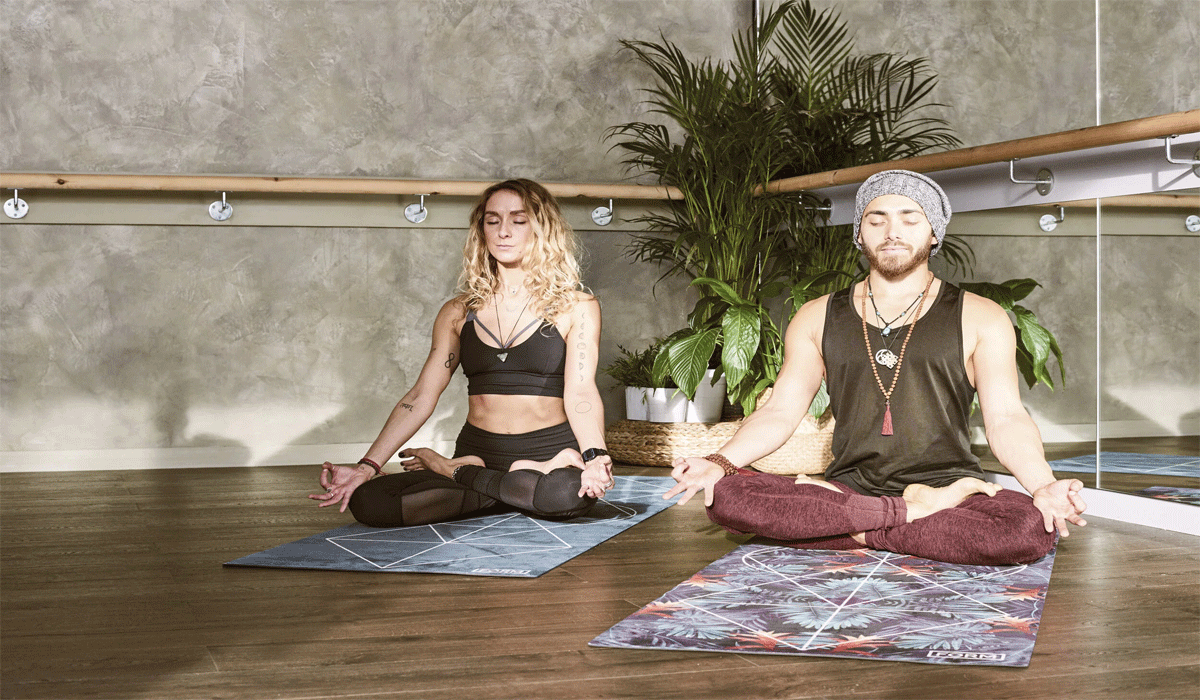
Movement is not only physical but also deeply connected to mental well-being. When the body moves well, the nervous system remains balanced, reducing stress and improving mood. Smooth, controlled movement sends calming signals to the brain, helping regulate emotions and mental focus.
Mindful movement also increases body awareness. Paying attention to breathing, posture, and muscle engagement helps individuals recognize tension before it becomes discomfort or pain. This awareness allows for quicker adjustments, preventing energy drain and supporting a more stable, resilient mindset throughout the day.
Creating a Sustainable Movement Blueprint
A sustainable movement plan is simple, flexible, and realistic. It should fit naturally into daily life without feeling overwhelming. The goal is not perfection, but progress. By focusing on small improvements, such as better posture or smoother transitions between movements, long-term benefits gradually emerge.
Lasting energy comes from respecting the body’s needs. Balancing movement with rest, listening to physical signals, and adjusting habits as needed ensures consistency over time. When movement becomes a supportive daily practice rather than a chore, it creates a strong foundation for health, vitality, and sustained energy.
For the latest and most interesting related information, you can also click the TEACHING link.
Image Source:
First Image from trattoria-alassio.com
Second Image from www.halodoc.com
About the Author