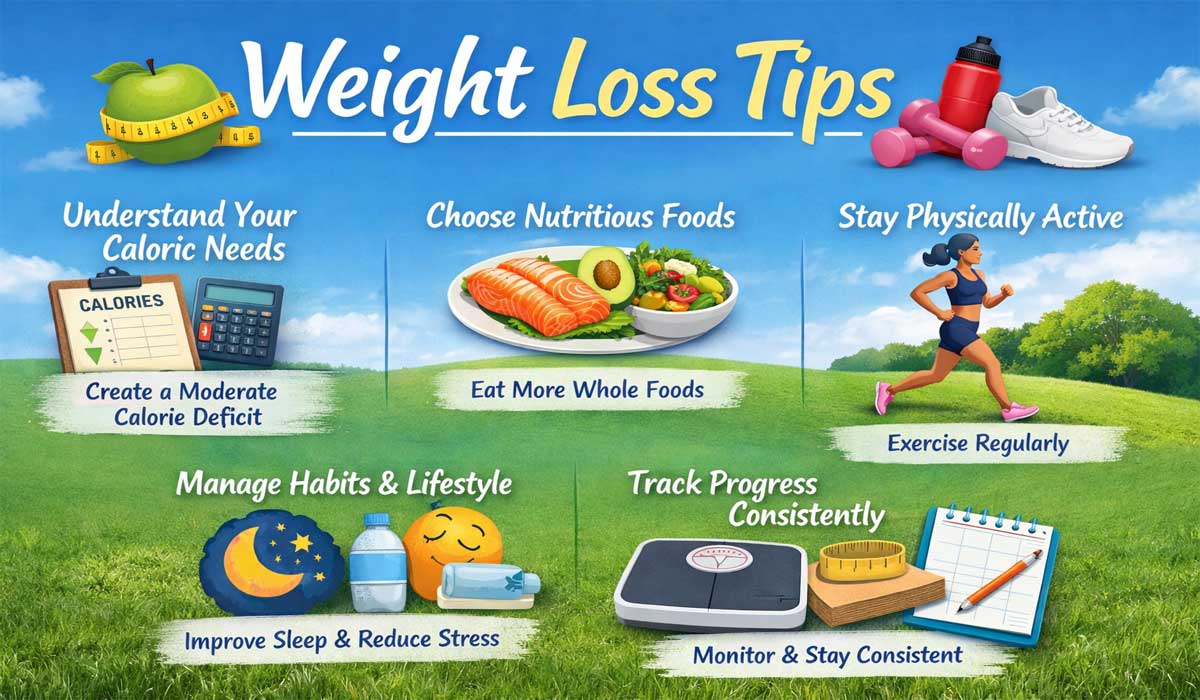
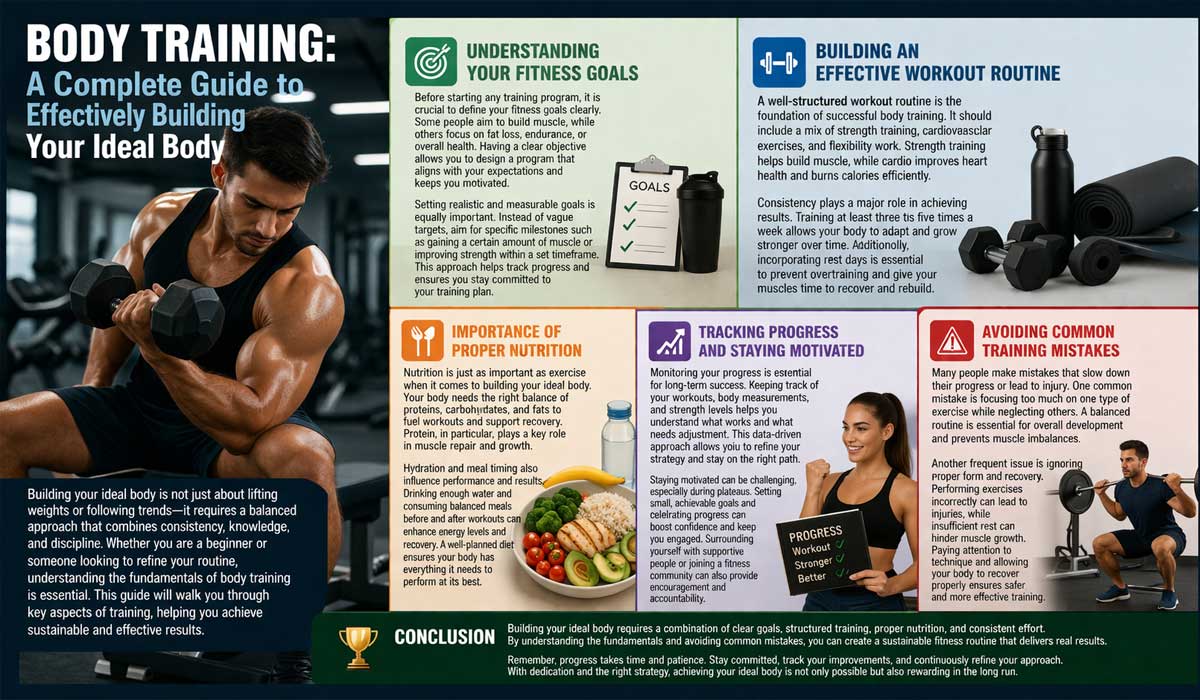
Transforming your body requires more than just hitting the gym or following a strict workout routine.
While exercise plays a vital role in building muscle and burning fat, nutrition is often the defining factor in achieving long-term results. What you eat fuels your workouts, repairs muscles, and determines how efficiently your body burns fat.
Without a proper nutrition plan, even the most intense training can yield limited results. This Trattoeia Allasio – Let’s Tak Fitne… article explores practical nutrition tips to help you maximize your body transformation journey and maintain energy, strength, and overall health.
Prioritize Protein Intake
Protein is the building block of muscle and is essential for repairing tissues after workouts. Adequate protein consumption not only supports muscle growth but also helps preserve lean mass during fat loss.
It can even enhance satiety, making it easier to manage calorie intake for body transformation goals. For most people, consuming 1.2 to 2 grams of protein per kilogram of body weight daily is a good starting point, depending on activity levels, age, and transformation goals.
Best Sources of Protein
Not all protein is created equal. Lean meats such as chicken, turkey, and fish are excellent for supporting muscle repair. For those following plant-based diets, beans, lentils, chickpeas, tofu, and tempeh offer high-quality protein sources.
Eggs and dairy products like Greek yogurt and cottage cheese provide versatile options that can be included in multiple meals throughout the day. Including a variety of protein sources ensures you get all essential amino acids your body needs.
Timing Your Protein Intake
The timing of protein intake can play a role in optimizing muscle growth and recovery. Aim to distribute protein evenly throughout the day rather than consuming most of it in a single meal. Post-workout protein is particularly important; consuming 20–30 grams after exercise can help stimulate muscle protein synthesis and speed recovery. Combining protein with complex carbohydrates in meals can further enhance energy and recovery.
Balance Carbohydrates and Fats
While protein is crucial, carbohydrates and fats should not be neglected. Carbohydrates provide the energy needed for high-intensity workouts, while healthy fats support hormone production, cell function, and overall well-being. Striking the right balance between these macronutrients ensures that your body performs optimally during training and recovers efficiently afterward.
Choose Complex Carbohydrates
Complex carbohydrates release energy slowly, keeping blood sugar levels stable and preventing energy crashes. Foods like oats, brown rice, quinoa, sweet potatoes, and a variety of vegetables provide the nutrients and fiber your body needs.
They also supply essential vitamins and minerals that support metabolism and exercise performance. Avoid excessive refined carbs such as sugary snacks and white bread, which can contribute to fat gain and energy fluctuations.
Include Healthy Fats
Healthy fats are essential for supporting long-term body transformation. Sources like avocados, nuts, seeds, olive oil, and fatty fish provide omega-3 and monounsaturated fats, which help reduce inflammation, support heart health, and promote a healthy metabolism. Including moderate amounts of healthy fats in your diet can also improve satiety and prevent overeating, making it easier to maintain a calorie-controlled plan.
Hydration and Micronutrient Support
Proper hydration and sufficient micronutrients are often overlooked but are critical for optimizing workouts, recovery, and overall health. Water is vital for transporting nutrients, regulating body temperature, and removing waste. Micronutrients, including vitamins and minerals, are essential for energy production, immune support, and muscle function.
Drink Plenty of Water
Staying hydrated improves performance, reduces fatigue, and aids in recovery. Adults should aim to drink at least 8–10 glasses of water daily, and increase intake during intense training sessions. Adding electrolytes during prolonged exercise can help maintain hydration and prevent muscle cramps, supporting your body transformation efforts.
Micronutrient-Rich Foods
A diet rich in colorful vegetables, fruits, and whole foods ensures you get adequate vitamins and minerals. Iron, magnesium, calcium, and vitamin D are especially important for muscle contraction, bone health, and energy metabolism. Including a variety of fresh produce in your meals also provides antioxidants that help reduce exercise-induced inflammation and support recovery.
Conclusion
Nutrition is a fundamental pillar of any successful body transformation plan. Prioritizing protein, balancing carbohydrates and fats, and supporting your body with proper hydration and micronutrients can accelerate results while maintaining overall health.
Consistency in nutrition, combined with a well-structured exercise program, creates the foundation for sustainable body changes. Remember, small, daily choices in what and when you eat can lead to significant long-term transformation.
About the Author