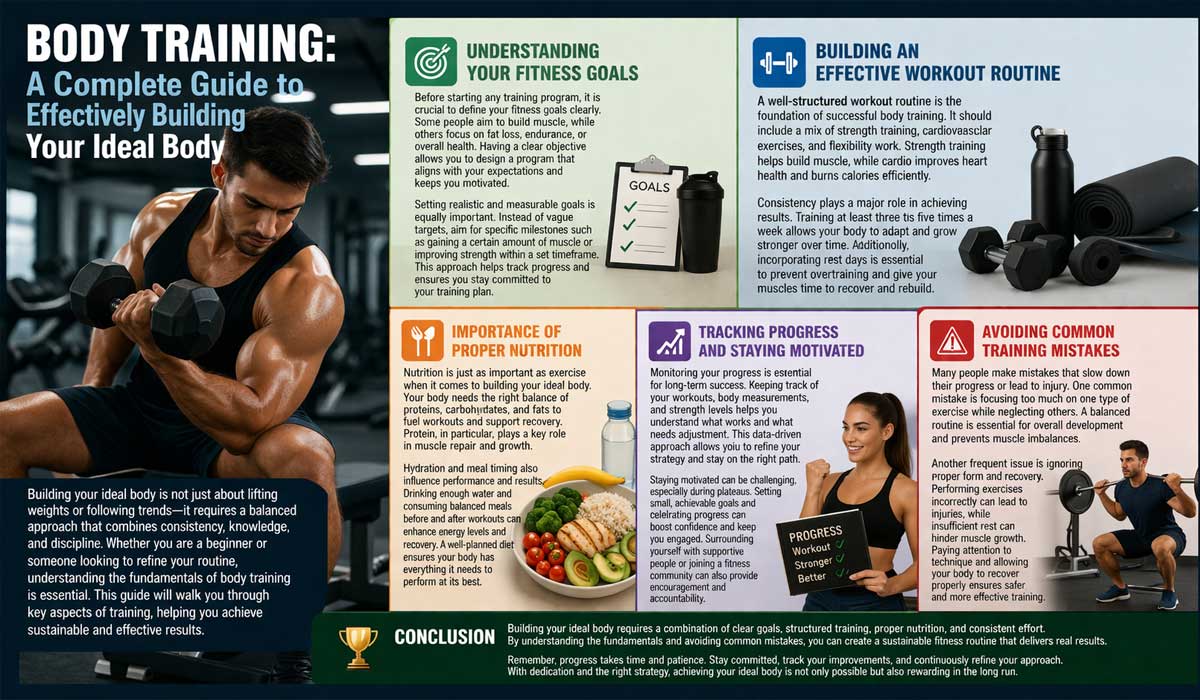
Boost strength, stamina, and resilience with adaptive training systems designed to evolve with your body and goals.

Optimizing Body Performance Through Adaptive Training Systems focuses on enhancing physical potential through intelligent, responsive workout strategies. Below, Trattoeia Allasio – Let’s Tak Fitne… will provide interesting information that you must know.
Redefining Human Potential Through Intelligent Training
Optimizing body performance is no longer limited to simply lifting heavier weights or running longer distances. Modern fitness science emphasizes intelligent adaptation training methods that evolve alongside the body’s changing capacities. Adaptive training systems represent a shift from rigid workout templates toward dynamic programs that respond to feedback, performance metrics, and recovery patterns. Instead of forcing the body to conform to a static plan, adaptive systems modify variables such as intensity, volume, frequency, and recovery in real time or across structured cycles.
At its core, performance optimization is about efficiency. The human body thrives when exposed to progressive stimulus, yet it also demands adequate recovery to rebuild stronger tissues and neural pathways. Adaptive training recognizes this balance. By integrating performance tracking tools, subjective readiness scales, and physiological markers such as heart rate variability, individuals can tailor their training load with precision. The result is consistent progress while minimizing burnout and injury risk.
The Science Of Adaptation And Progressive Overload
The principle of progressive overload has long been the backbone of physical development. Muscles, tendons, and the cardiovascular system improve when challenged beyond their current capacity. However, adaptation is not linear. There are days when performance peaks and days when fatigue accumulates. Adaptive training systems account for this fluctuation by adjusting workloads based on readiness rather than rigid scheduling.
Physiologically, adaptation occurs through stress-response mechanisms. Mechanical tension stimulates muscle protein synthesis, metabolic stress enhances endurance pathways, and neuromuscular demand refines coordination and power output. When stress is applied strategically, the body supercompensates—recovering to a level slightly above its previous baseline. Adaptive systems ensure that new stress is introduced at the right moment, capitalizing on this supercompensation window.
This approach contrasts sharply with static programs that may prescribe fixed loads regardless of individual condition. Over time, a non-adaptive plan can lead to stagnation or overtraining. Adaptive models maintain an optimal training stimulus, making them especially effective for athletes, busy professionals, and individuals balancing multiple life demands.
Leveraging Technology For Personalized Performance
Technological innovation has significantly enhanced the implementation of adaptive training. Wearable devices monitor heart rate, sleep quality, movement efficiency, and caloric expenditure. Advanced algorithms analyze this data to recommend training adjustments. For example, reduced sleep quality combined with elevated resting heart rate may signal insufficient recovery, prompting a lighter session or active recovery workout.
Beyond wearables, digital coaching platforms incorporate artificial intelligence to refine programming over time. These systems analyze patterns in strength progression, endurance metrics, and recovery cycles to individualize workouts. While technology is a powerful tool, it should complement—not replace—body awareness. Subjective feedback such as perceived exertion, mood state, and muscle soreness remains invaluable.
Adaptive training also extends to periodization models. Instead of traditional linear periodization, many athletes now use undulating or auto-regulated structures. This means intensity and volume shift frequently, allowing the body to respond more flexibly to stress. The integration of objective metrics with subjective experience creates a holistic performance strategy that evolves continuously.
Read Also: Wellness for Life: Holistic Practices to Boost Mind, Body, and Spirit
Recovery As The Foundation Of Optimization
Performance gains do not occur during training sessions; they manifest during recovery. Adaptive training systems place equal emphasis on regeneration as on workload. Sleep optimization, strategic nutrition, hydration, mobility work, and stress management become integral components of the program.
From a physiological standpoint, recovery supports hormonal balance, muscle repair, and nervous system recalibration. Chronic stress without adequate restoration elevates cortisol levels, suppresses immune function, and reduces performance output. Adaptive systems monitor recovery markers and scale intensity accordingly, preventing the downward spiral of fatigue accumulation.
Active recovery sessions, breathwork, and low-intensity aerobic training can accelerate circulation and promote tissue repair. Nutrition strategies such as sufficient protein intake and carbohydrate timing further enhance recovery processes. When recovery is treated as a deliberate practice rather than an afterthought, the body becomes more resilient and capable of handling progressively higher workloads.
Building Long-Term Resilience And Sustainable Results
True optimization is not about short-term peaks; it is about sustainable growth. Adaptive training fosters long-term resilience by encouraging gradual progression, movement diversity, and mindful intensity management. Instead of chasing rapid transformation, individuals cultivate consistent improvement over months and years.
Resilience involves both physical and psychological dimensions. Adaptive systems empower individuals to listen to their bodies, fostering autonomy and confidence. This mindset reduces the likelihood of injury caused by ego-driven decisions. It also strengthens adherence, as programs remain engaging and responsive rather than repetitive and rigid.
Moreover, adaptive training supports longevity. Joint health, mobility, and neuromuscular coordination are preserved when training loads are adjusted intelligently. By integrating strength development, cardiovascular conditioning, flexibility, and recovery into a cohesive system, individuals can maintain peak function across different life stages.
In essence, optimizing body performance through adaptive training systems represents a marriage of science, technology, and self-awareness. It respects biological variability while striving for measurable progress. As fitness culture evolves, the future belongs to those who train not harder alone, but smarter—embracing adaptability as the pathway to sustained excellence.
About the Author