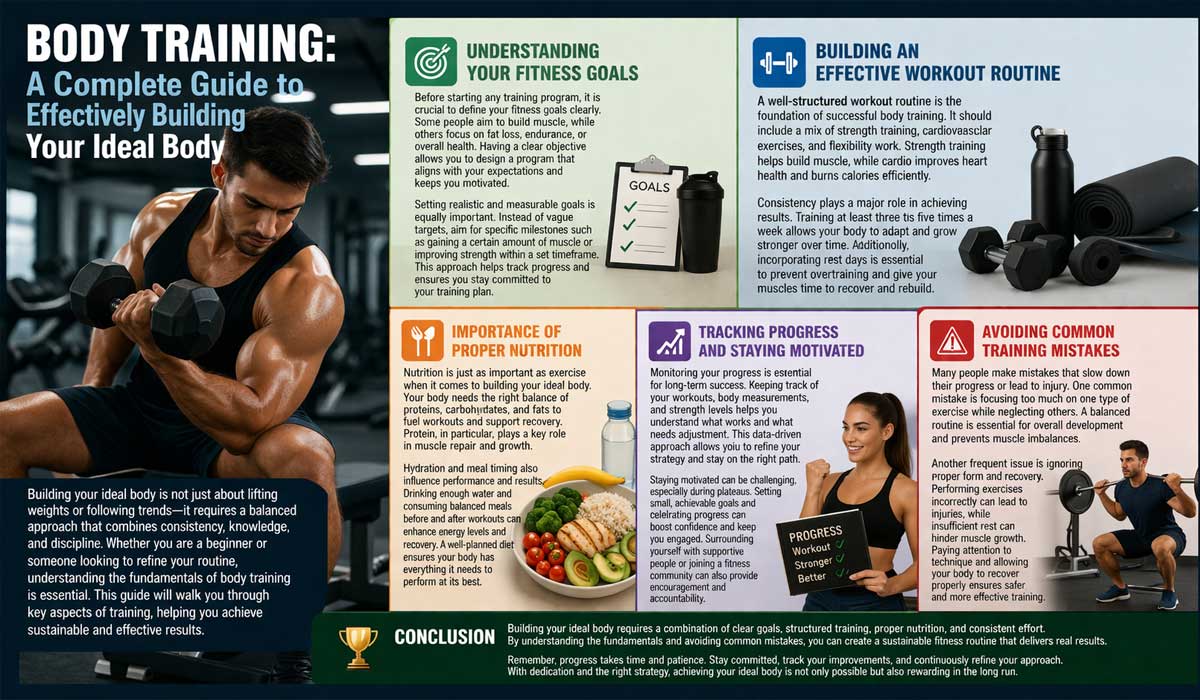
Strength in motion empowers individuals at every level to build strength, flexibility, and endurance through proper technique and progressive training.
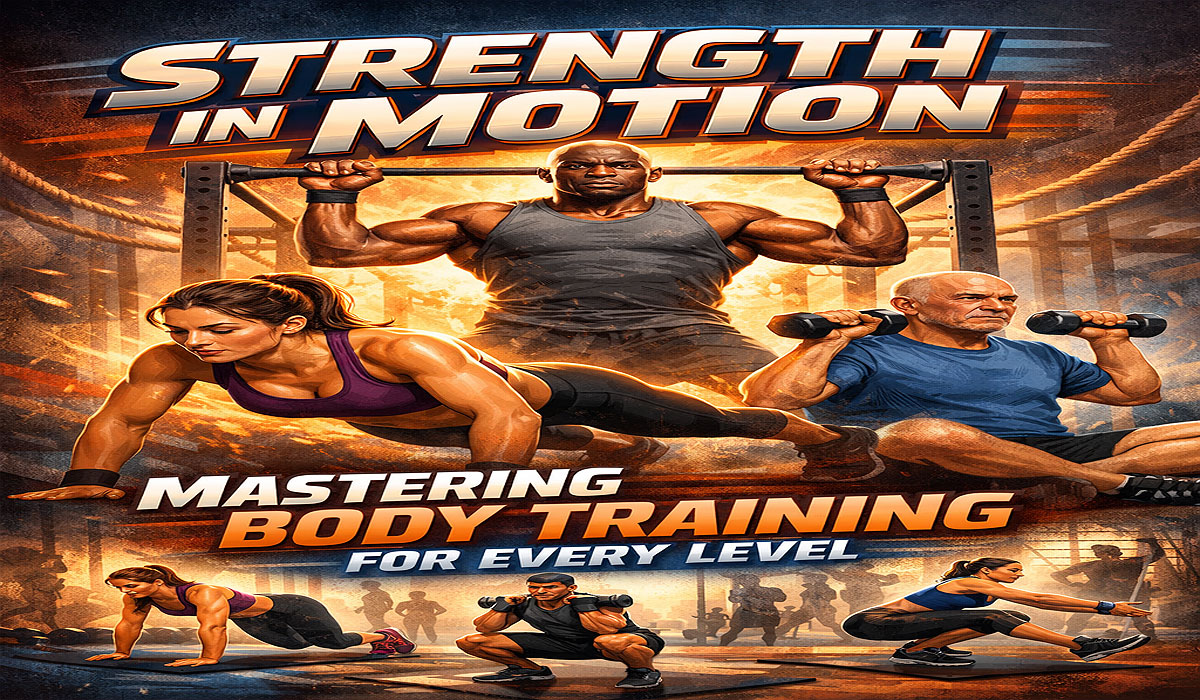
Today, mastering body training means understanding how to use movement, resistance, and proper technique to build strength, flexibility, and endurance at every level. From beginners to advanced athletes, strength in motion is about functional progress and sustainable results.
Below we Trattoeia Allasio – Let’s Tak Fitness will explores practical strategies for mastering body training, covering exercises, progression methods, recovery, and mindset tips that help individuals of all fitness levels optimize performance.
Understanding the Basics of Body Training
Before diving into complex routines, it’s crucial to understand the foundational principles of body training. Proper posture, core activation, and movement mechanics ensure safety and maximize results. Beginners should focus on mastering basic exercises like squats, push-ups, and planks.
Understanding the fundamentals also prevents injuries and establishes a solid base for future progress. Even advanced athletes revisit these basics to refine technique and improve overall efficiency in their movements.
Progressive Strength Training for All Levels
Progressive overload is key to continuous improvement. This means gradually increasing the resistance, repetitions, or complexity of exercises over time. Beginners might start with bodyweight exercises, while intermediate and advanced trainees can incorporate resistance bands, weights, or complex movement patterns.
Progressive training ensures the muscles adapt efficiently, leading to sustainable strength gains. Following a structured plan tailored to individual levels helps maintain motivation and prevents plateaus.
Incorporating Functional Movements
Functional movements mimic real-life activities and enhance overall body coordination. Exercises such as lunges, kettlebell swings, and medicine ball throws train multiple muscle groups simultaneously, improving strength, balance, and mobility.
Incorporating functional movements makes training more practical and reduces the risk of injury in daily activities. It also promotes a natural flow of motion, emphasizing efficiency and control over brute strength.
Recovery and Mobility Work

Strength in motion isn’t just about exertion it’s also about recovery. Proper rest, stretching, and mobility exercises ensure muscles repair, adapt, and grow stronger. Techniques like foam rolling, dynamic stretching, and yoga complement resistance training.
Ignoring recovery can lead to overtraining, fatigue, and increased risk of injury. Integrating mobility work not only enhances flexibility but also improves overall performance, allowing consistent progress across all training levels.
Mindset and Motivation
Building strength requires both physical and mental resilience. Setting clear goals, tracking progress, and celebrating small milestones helps maintain focus and commitment. Mindset shapes consistency, which is arguably the most important factor in long-term success.
Visualization, positive reinforcement, and mindful practice can enhance performance and push individuals to achieve levels of strength previously thought unattainable. Motivation is the driving force behind every incremental improvement.
Tailoring Training to Individual Needs
Every body is different, and training should reflect personal goals, strengths, and limitations. Beginners might focus on foundational strength, intermediate trainees on hypertrophy or endurance, and advanced athletes on performance optimization.
Customizing workouts ensures that individuals maximize results without risking injury. A flexible approach allows adaptation as strength and capabilities evolve, ensuring continued progress and sustained engagement with fitness.
Conclusion
Strength in motion is about combining knowledge, technique, and consistency to maximize body training at every level. From mastering foundational movements to progressively challenging the body, incorporating functional exercises, prioritizing recovery, and maintaining a focused mindset, anyone can achieve sustainable strength.
Smart training is not about doing more, but about doing what truly benefits the body in a safe and effective way. Explore health and fitness information you can trust, only available on Trattoeia Allasio – Let’s Tak Fitness.
Image Source From.
- First Photo From: trattoria-alassio.com
- Second Photo of: sustainhealth.fit
About the Author