Body training techniques improve strength, endurance, flexibility, and overall physical performance through balanced, consistent movement.

Body training focuses on using natural movement patterns to improve strength, endurance, flexibility, and overall coordination. When applied correctly, these techniques help individuals perform better in daily activities as well as structured physical routines. The following will Trattoeia Allasio – Let’s Tak Fitness explain Body Training Techniques to Enhance Physical Performance.
Modern body training emphasizes control, consistency, and body awareness rather than excessive strain. By understanding how the body moves and adapts, individuals can enhance their physical performance while maintaining long-term health. The following techniques highlight essential elements of body training that contribute to improved physical capability.
Fundamental Body Training for Strength Development
Fundamental body training focuses on building strength through basic movement patterns. Exercises such as squats, push-ups, lunges, and planks engage multiple muscle groups at once, helping the body develop functional strength. These movements create a solid foundation that supports more advanced physical activities.
Developing strength through fundamental training also improves posture and joint stability. A strong foundation allows the body to move efficiently and safely, reducing unnecessary strain. Over time, consistent strength training improves muscle coordination and supports better performance in both athletic and everyday movements.
Endurance Training to Improve Physical Stamina
Endurance plays a crucial role in physical performance, especially during prolonged physical activity. Body training for endurance often includes circuit-style exercises, repeated movements, and controlled bodyweight routines. These exercises challenge the cardiovascular system while maintaining muscular engagement.
Improved endurance allows the body to sustain activity for longer periods without excessive fatigue. As stamina increases, recovery time becomes shorter, enabling individuals to train more consistently. This combination of endurance and recovery supports overall physical efficiency and long-term performance improvement.
Flexibility and Mobility in Body Training
Flexibility and mobility are essential components of effective body training. Stretching routines, both dynamic and static, help maintain muscle elasticity and joint health. Improved flexibility allows the body to move through a wider range of motion with greater ease and control.
Mobility training enhances the connection between strength and movement quality. When muscles and joints move freely, physical actions become smoother and more efficient. This not only improves performance but also supports long-term joint health and overall body balance.
Also Read: Let’s Tak Fitness: Your Journey To Stronger, Fitter You
Core Stability for Enhanced Body Control
The core muscles play a central role in body control and balance. Core stability training focuses on strengthening the muscles that support the spine, hips, and abdomen. Exercises such as leg raises, mountain climbers, and balance holds help improve coordination and control.
A stable core enhances the efficiency of all physical movements. Whether performing basic exercises or complex physical tasks, strong core muscles provide support and balance. Improved core stability also contributes to better posture and reduced strain on the lower back.
Bodyweight Training for Functional Performance
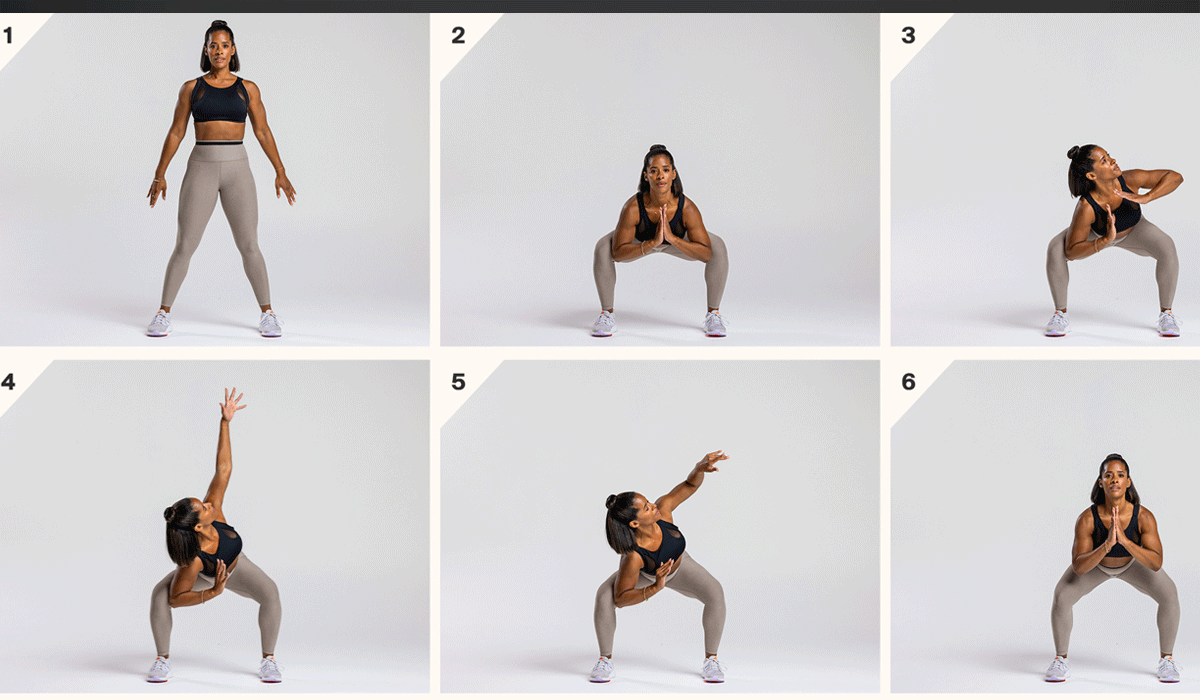
Bodyweight training uses the body’s own weight as resistance, making it one of the most accessible and effective training methods. Movements like step-ups, wall sits, and controlled jumps improve strength, coordination, and balance without the need for equipment.
Functional performance improves when training movements reflect real-life activities. Bodyweight training enhances body awareness and control, helping individuals move more confidently and efficiently. This approach supports adaptability and encourages consistent training across different environments.
Recovery and Consistency in Body Training
Recovery is a vital part of any body training program. During rest periods, muscles repair and adapt, becoming stronger and more resilient. Without proper recovery, physical performance may decline, and the risk of overuse injuries increases.
Consistency combined with adequate recovery leads to sustainable progress. Establishing a balanced routine that includes rest days helps the body adapt gradually. Over time, this approach supports steady improvements in performance while maintaining physical well-being.
Conclusion
Body training techniques to enhance physical performance focus on balance, control, and long-term development. By combining strength, endurance, flexibility, core stability, and proper recovery, individuals can improve their physical abilities safely and effectively.
A structured body training approach allows the body to perform efficiently, adapt naturally, and maintain optimal health over time. Follow information about health and fitness, only available on Trattoeia Allasio – Let’s Tak Fitness.
Image Source From.
- First Photo From: www.muscleandfitness.com
- Second Photo of: e3rehab.com
About the Author