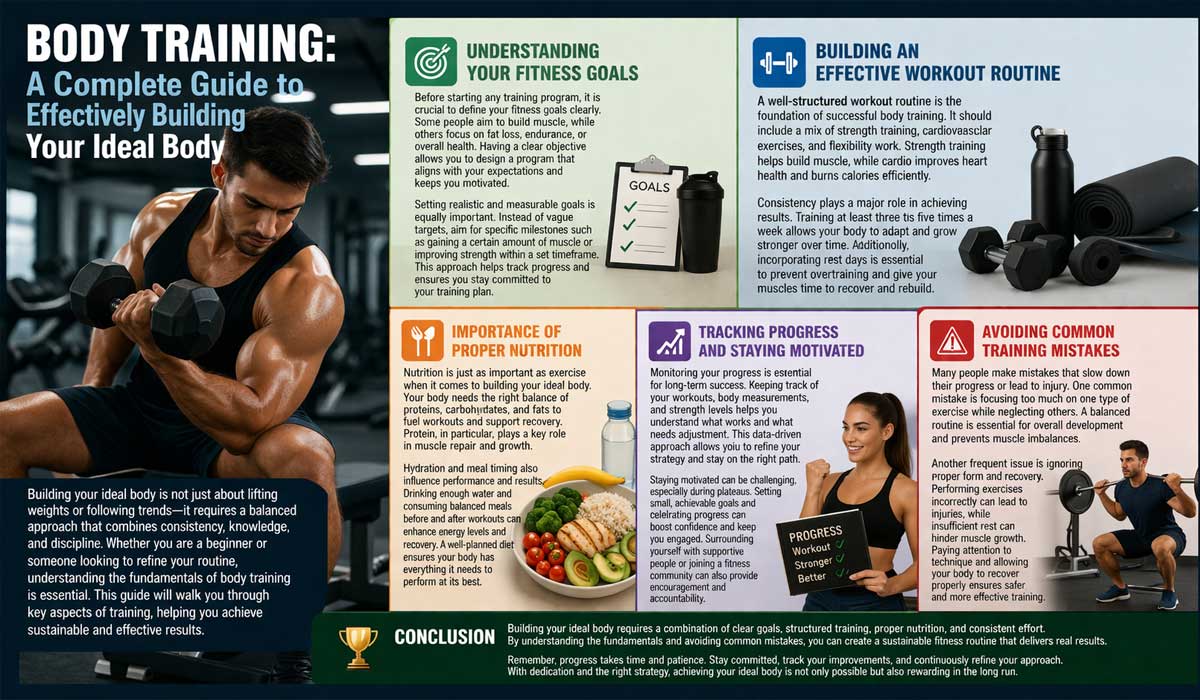
Full-body workouts have become increasingly popular in the fitness community for their efficiency and effectiveness.
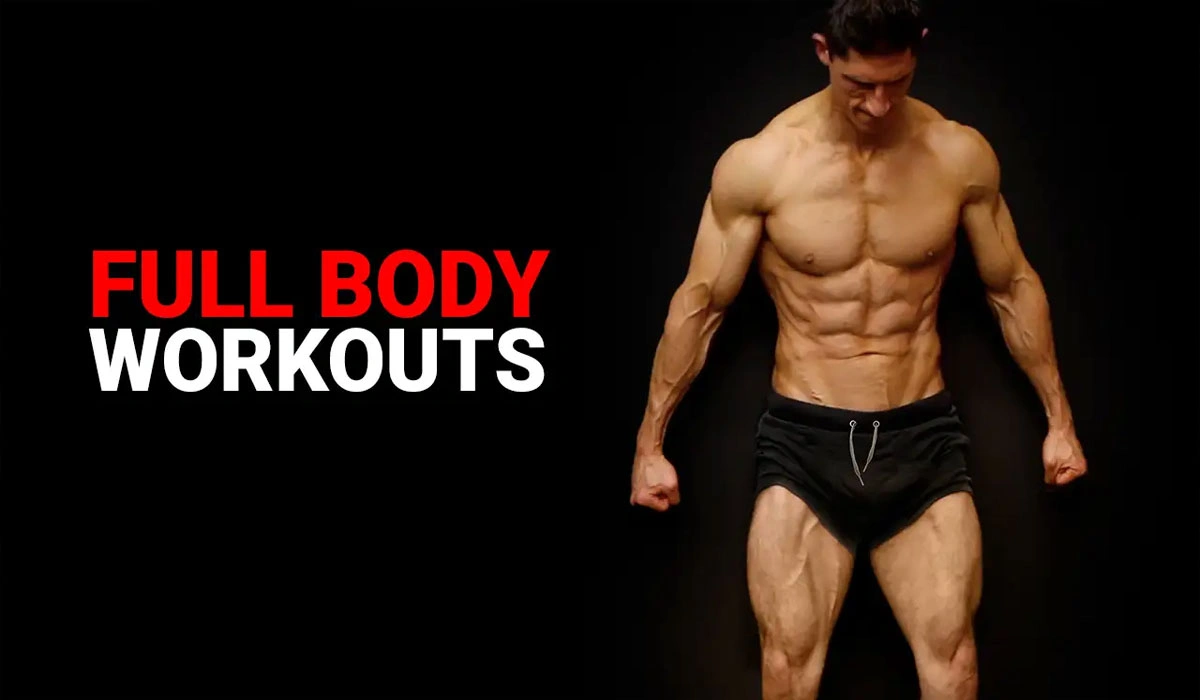
Instead of isolating muscles with single-group exercises, a full-body approach engages multiple muscle groups in one session. This not only saves time but also boosts metabolism, improves strength, and enhances overall fitness.
If you’ve been looking for workouts that truly deliver results, understanding how to structure and execute full-body routines is key Trattoeia Allasio – Let’s Tak Fitness.
Why Full-Body Workouts Are Effective
The primary advantage of full-body workouts is their ability to stimulate all major muscle groups in a single session. When exercises involve multiple joints and muscle groups, the body burns more calories and improves coordination between muscles. Compound movements like squats, deadlifts, and push-ups engage several muscles simultaneously, resulting in efficient strength gains.
Additionally, full-body routines allow for more frequent training sessions. Unlike split routines that target only one or two muscle groups per day, full-body workouts can be performed two to four times per week without overtraining. This frequency promotes better recovery and muscle growth, making it particularly beneficial for beginners and intermediate lifters.
Moreover, these workouts enhance cardiovascular fitness alongside strength. Movements like kettlebell swings or burpees elevate heart rate while also building muscle, offering both aerobic and anaerobic benefits. This dual approach improves endurance, stamina, and overall fitness levels.
Key Exercises for A Full-Body Routine
A successful full-body workout includes a mix of compound movements and functional exercises. Compound exercises target multiple muscles at once, while functional movements improve everyday strength and mobility. Here’s a breakdown of exercises that can be included in an effective routine:
- Squats: Squats work the quadriceps, hamstrings, glutes, and core. They also improve joint stability and overall lower-body strength. Variations like goblet squats, barbell back squats, and jump squats keep the muscles challenged.
- Deadlifts: The deadlift is a powerhouse movement engaging the hamstrings, glutes, lower back, and grip strength. Correct form is crucial to prevent injury and maximize results.
- Push-Ups and Bench Press: These exercises target the chest, shoulders, and triceps. Push-ups also engage the core for stability. Incline, decline, and weighted variations increase difficulty as strength improves
- Rows and Pull-Ups: Rows strengthen the back, biceps, and rear shoulders. Pull-ups are excellent for building upper body pulling strength and engaging the core.
- Overhead Press: This movement focuses on shoulders, triceps, and upper chest while also requiring core stabilization. Dumbbells, barbells, or kettlebells can be used depending on experience level.
Including at least one exercise for each major muscle group ensures balanced development and prevents muscular imbalances that could lead to injury.
Baca Juga: Elevate Your Workout Routine With Trattoeia Allasio
Structuring Your Full-Body Workout
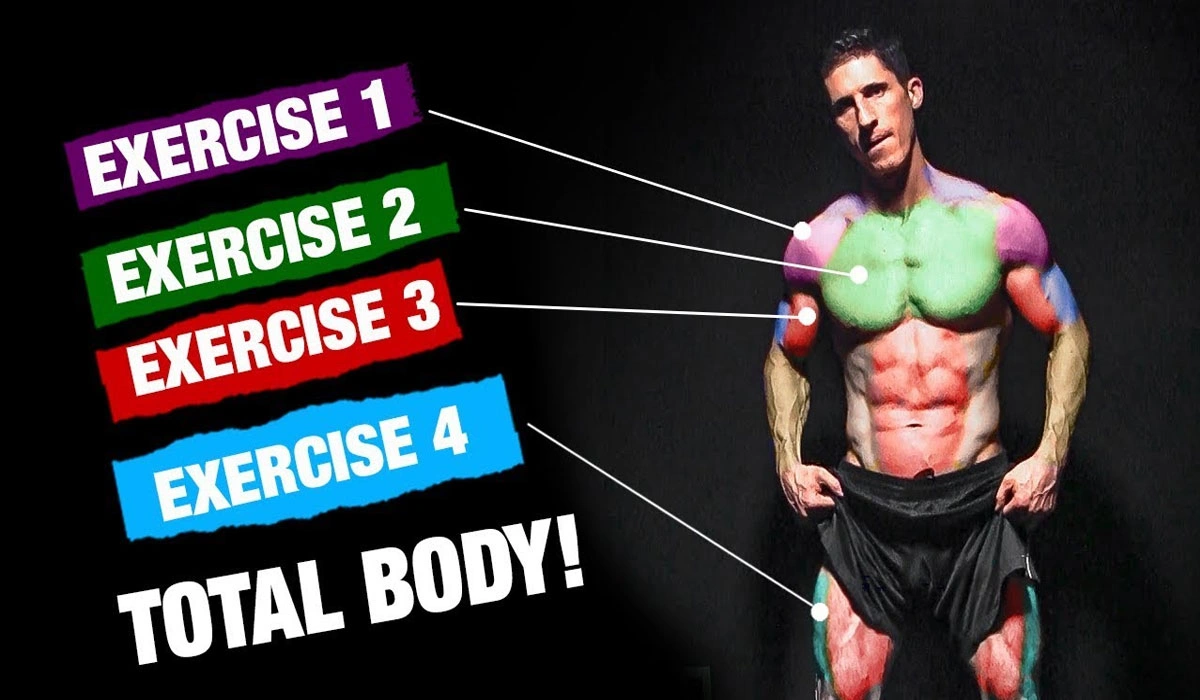
A well-structured full-body workout typically includes a warm-up, main compound lifts, accessory exercises, and a cool-down. Here’s a sample format:
- Warm-Up (5-10 minutes): Light cardio, dynamic stretching, and mobility exercises prepare joints and muscles for intense activity.
- Primary Lifts (3-4 exercises): Choose compound movements like squats, deadlifts, bench press, and rows. Perform 3–4 sets of 6–12 reps depending on your goals (strength vs. hypertrophy).
- Accessory Work (2-3 exercises): Target smaller muscles or weak points with exercises like lunges, bicep curls, or tricep dips. Include core work such as planks or hanging leg raises.
- Cardio and Conditioning (Optional): Adding high-intensity intervals, kettlebell swings, or jump rope can improve cardiovascular fitness.
- Cool-Down (5–10 minutes): Stretching and foam rolling reduce muscle tightness and support recovery.
By structuring workouts this way, you ensure that each session is productive, safe, and balanced.
Full-Body Workouts for Different Goals
Full-body routines can be adapted to meet different fitness goals:
- Strength: Focus on lower repetitions (4–6 reps) with heavier weights. Rest periods between sets can be longer (2–4 minutes) to allow recovery for maximum effort.
- Hypertrophy (Muscle Growth): Moderate repetitions (8–12 reps) with shorter rest intervals (60–90 seconds) are effective for building muscle mass.
- Fat Loss and Conditioning: Incorporate higher repetitions, supersets, or circuit-style training to elevate heart rate and burn calories while building lean muscle.
- Beginner-Friendly: Focus on bodyweight exercises and light resistance to learn proper movement patterns before progressing to heavier weights.
Regardless of the goal, full-body workouts are versatile, time-efficient, and deliver measurable results when done consistently and correctly.
Conclusion
Full-body workouts are more than just a trend they are an efficient way to build strength, improve endurance, and maintain a balanced physique. By combining compound movements, functional exercises, proper structure, and smart recovery strategies, anyone can see tangible results. Whether your aim is fat loss, muscle growth, or overall fitness, adopting a well-designed full-body routine ensures that your efforts in the gym translate into meaningful outcomes.
Consistency, progressive overload, and attention to form remain the pillars of an effective program. With these principles, full-body workouts not only save time but also provide a comprehensive approach to achieving and maintaining peak physical fitness.
Image Information Source:
- First Image from: learn.athleanx.com
- Second Image from: www.livonlabs.com
About the Author