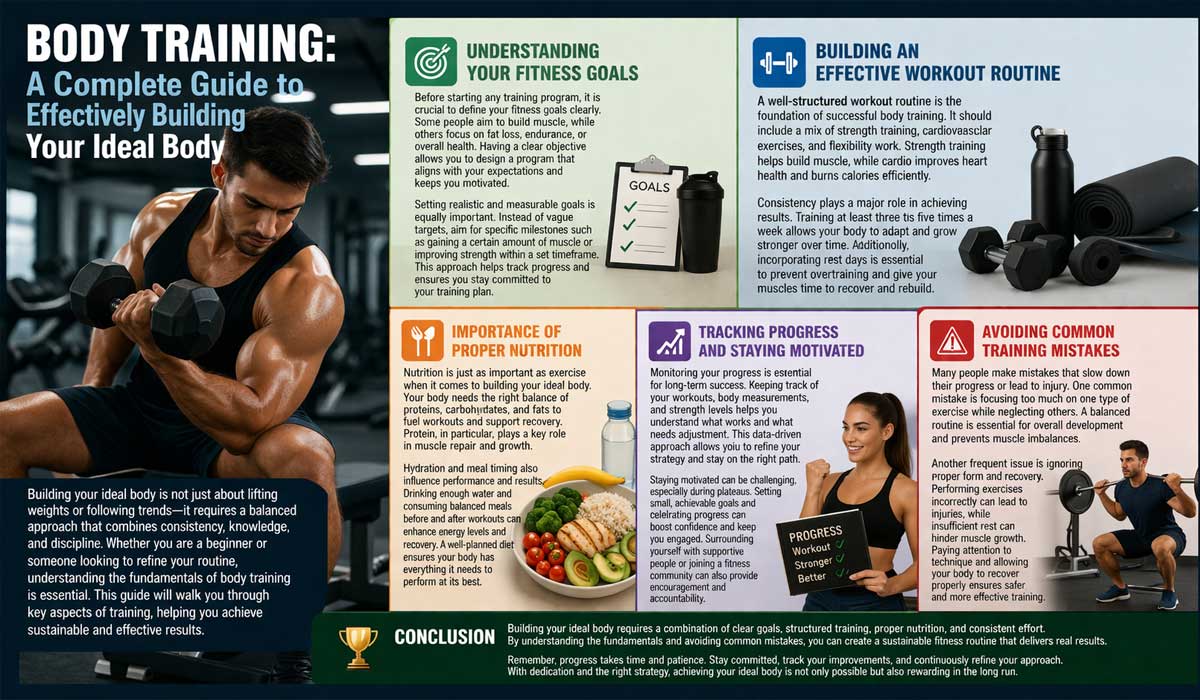
This program combines science-backed techniques and carefully designed routines to help you build strength, endurance, and flexibility.

Whether you’re a beginner or an experienced athlete, structured training ensures consistent progress while minimizing the risk of injury. Transform your body, boost your energy, and develop a disciplined fitness habit that lasts. Take control of your health and experience the rewarding results of a well-organized, goal-focused training approach.
Understand Your Fitness Goals
Before starting any structured training program, it is essential to identify your personal fitness goals. Are you aiming to lose weight, build muscle, enhance cardiovascular endurance, or improve flexibility? Clear goals provide direction and help you select the right exercises, intensity, and duration for your workouts.
For instance, strength training is ideal for muscle building, while circuit training or aerobic exercises improve cardiovascular fitness. Setting measurable milestones ensures you can track progress and stay motivated.
Create a Balanced Training Routine
A structured body training plan should balance different types of exercises. Incorporate resistance training, cardio, flexibility, and mobility work into your routine to achieve overall fitness.
Resistance training helps strengthen muscles and support joints, cardio improves heart and lung health, and flexibility exercises prevent injuries while enhancing movement efficiency. Structuring your routine also involves deciding on frequency and intensity for example, alternating muscle groups on different days allows for adequate recovery while maintaining consistency.
Also Read: Let’s Fitness: Unlocking Peak Performance with Trattoeia Allasio
Prioritize Proper Technique and Form

Even the most well-structured training plan can fail if exercises are performed incorrectly. Maintaining proper form reduces the risk of injuries and ensures that targeted muscles are effectively engaged.
Beginners should consider seeking guidance from a certified trainer or using reputable instructional resources. Additionally, using controlled movements and avoiding excessive weights or repetitions allows the body to adapt gradually, improving strength and endurance safely.
Monitor Progress and Adjust Workouts
Structured body training is dynamic, not static. Monitoring your progress is crucial to ensure continued improvement. Keep track of your performance in terms of weight lifted, distance run, number of repetitions, or flexibility gains.
Periodically reassess your routine and make adjustments, such as increasing intensity, adding new exercises, or modifying rest periods. This approach prevents plateaus and maintains motivation, while helping you respond to changes in fitness levels or personal goals.
Incorporate Recovery and Nutrition
Fitness improvement is not solely about exercise recovery and nutrition play a critical role. Structured training should include adequate rest days to allow muscles to repair and grow.
Sleep is equally important as it aids recovery and cognitive function. Furthermore, nutrition supports performance and results. Consuming balanced meals with sufficient protein, carbohydrates, and healthy fats fuels workouts and promotes muscle recovery. Hydration and micronutrient intake also contribute significantly to overall fitness.
Structured body training provides a systematic and effective approach to improving fitness. By setting clear goals, creating a balanced routine, prioritizing proper form, monitoring progress, and incorporating recovery and nutrition, individuals can achieve meaningful and sustainable results.
Unlike random or unplanned workouts, a structured program ensures that every session contributes to overall health and performance. Ultimately, consistency and commitment to structured training are key to transforming your body, boosting fitness levels, and enhancing overall well-being.
About the Author