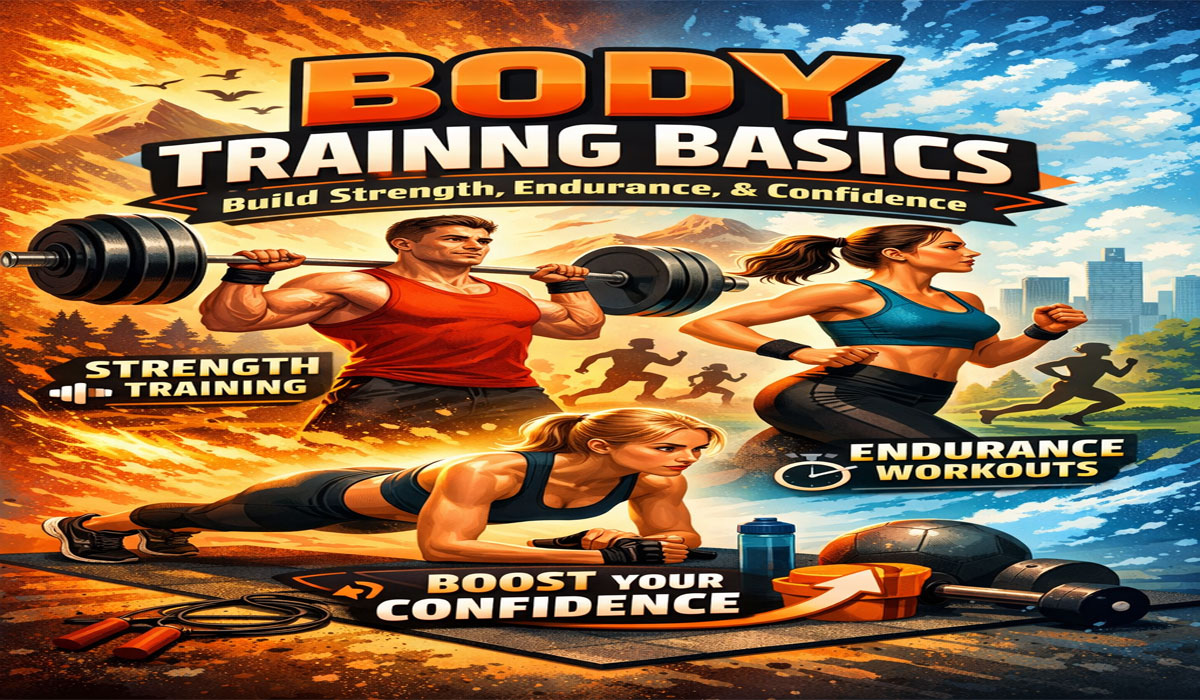
Body training is the key to fitness, health and physical endurance, learn the types of exercises, tips and their benefits for the body.
Body training, or fitness training, offers one of the most effective ways to improve both physical and mental health. This activity includes not only intense workouts but also lighter exercises that target strength, flexibility, and endurance. With consistency, body training delivers significant benefits and enhances overall quality of life.
The following Trattoeia Allasio will discuss about Body training is the key to fitness, health, and physical endurance.
Types of Body Training
Body training includes various types of exercises, each focusing on different aspects of physical fitness. One major type is cardio, such as running, cycling, and swimming, which strengthens the heart and lungs and boosts overall endurance.
Strength training, such as weightlifting, push-ups, and squats, builds muscle mass, increases strength, and improves metabolism. These exercises make the body fitter and more efficient at burning calories.
Flexibility and balance exercises, including yoga and Pilates, improve joint mobility, enhance posture, and reduce the risk of injuries during other physical activities.
Health Benefits of Body Training
Body training offers extensive health benefits. Regular workouts build stronger muscles, denser bones, and greater flexibility, helping the body resist injuries.
Cardio exercises improve heart health by lowering blood pressure, reducing the risk of heart disease, and boosting circulation. These benefits directly impact long-term quality of life.
Training also helps manage weight, speeds up metabolism, and improves digestion. Overall, regular body training keeps the body energetic, strong, and ready for daily activities.
Effective Tips for Body Training
To achieve optimal results, maintain consistency and match training intensity with your ability. Beginners should start with low-intensity exercises and gradually increase duration and resistance.
Warm up before workouts to prepare muscles and joints, and cool down afterward to reduce soreness and aid recovery. Maintain proper nutrition and hydration to fuel your body for each session.
Add variety to your routine to prevent boredom and engage all muscle groups. Combine cardio, strength, and flexibility exercises to balance your fitness and maintain overall health.
Body Training and Mental Health
Body training plays a major role in mental well-being. Physical activity boosts endorphin production, the hormone that creates feelings of happiness, reducing stress, anxiety, and depression.
Regular exercise improves sleep quality and concentration, stabilizing daily energy levels. Research shows that consistent training helps individuals handle life’s pressures more effectively.
By combining physical and mental benefits, body training becomes a long-term investment in health. Integrating exercise into your daily routine supports a healthier, more productive, and happier lifestyle.
Conclusion and Recommendations
Body training goes beyond physical activity; it represents a healthy lifestyle that supports long-term well-being. By varying exercises, staying consistent, and managing your lifestyle, you strengthen your body, enhance fitness, and maintain flexibility.
Adjust the type and intensity of training to match your needs. Beginners and experienced individuals alike can enjoy substantial benefits, from improved stamina to better mental health.
In short, body training serves as a key to achieving overall health. Establishing a consistent exercise routine keeps your body strong, fit, and ready to face everyday challenges with energy and confidence.
Image Information Source:
- First Image from: Health Shield
- Second Image from: istock
About the Author