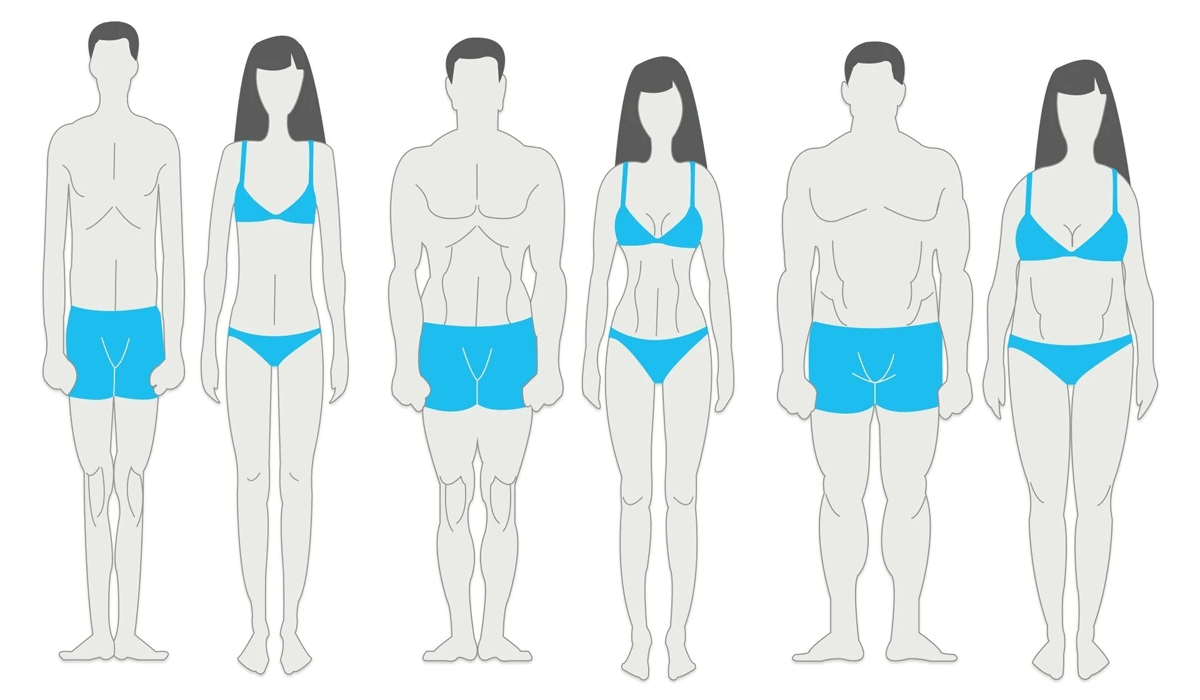
Their secret lies not in genetics alone but in highly structured training routines designed to maximize strength, endurance, flexibility, and recovery.
A key principle in athletes’ body training is targeting multiple physical systems simultaneously, which helps optimize performance in a balanced, sustainable manner. Instead of focusing solely on aesthetics, professional routines prioritize functional fitness, movement efficiency, and injury prevention.
High-level athletes often incorporate compound movements such as squats, deadlifts, pull-ups, and push presses. These exercises engage multiple muscle groups at once, stimulating hormonal responses beneficial for muscle growth and fat metabolism.
Learning these movements with proper form is crucial before attempting intensity escalation, ensuring safety and long-term gains. The following will Trattoeia Allasio – Let’s Tak Fitness Your Journey to Stronger, Fitter You.
Strength Building Techniques That Transform
Athletes build strength not through random repetitions but using periodized programs. Progressive overload, for example, gradually increases resistance over time, challenging muscles without overtraining.
Supersets, circuits, and tempo variations introduce stimulus variety that prevents adaptation plateaus. Functional strength exercises, often borrowed from gymnastics, powerlifting, or Olympic lifting, emphasize core engagement, stability, and explosive force production.
A strong foundation facilitates advanced training techniques. Athletes often combine resistance with balance tools such as medicine balls, kettlebells, or stability boards to reinforce joint integrity while developing raw power. Bodyweight exercises also play an essential role, providing versatility in training environments while maintaining full-range movement quality.
Conditioning Secrets To Maximize Endurance
Conditioning forms the backbone of athletic performance, enhancing stamina while supporting lean muscle retention. Interval training, alternating between high-intensity bursts and controlled recovery, replicates real-life energy demands found in sports competitions.
Low-intensity steady-state cardio, performed strategically, improves aerobic capacity without interfering with recovery cycles from strength sessions.
Athletes also emphasize movement efficiency. Sprint mechanics, swimming strokes, rowing technique, or cycling posture all contribute to cardiovascular optimization.
Tracking heart rate zones during training ensures precise energy expenditure, improving results within shorter periods. Recovery periods, often overlooked by casual enthusiasts, allow adaptations to occur, preventing burnout and overuse injuries.
Read Also: Body Training The Right Way Can Change Body Posture
Nutrition Strategies That Fuel Transformation
Physical training alone cannot achieve peak results without proper nutrition. Athletes consume diets tailored to energy demands, recovery requirements, and body composition goals.
Macronutrient timing becomes a tool; protein intake immediately post-workout supports muscle repair, while carbohydrates replenish glycogen stores for upcoming sessions. Micronutrients, hydration, and electrolyte balance ensure cellular function remains optimal under stress.
Meal planning involves careful portioning and quality ingredient selection. Lean proteins, whole grains, fruits, vegetables, and healthy fats provide sustained energy while reducing inflammation.
Some athletes utilize supplements such as creatine, beta-alanine, or branched-chain amino acids, but these are additions rather than replacements for whole-food nutrition. Consistency in fueling strategies reinforces training adaptations over time.
Recovery Techniques To Sustain Growth
Recovery separates elite performers from casual practitioners. Techniques like foam rolling, stretching, mobility drills, massage, and cold exposure accelerate tissue repair and maintain joint health.
Sleep, often called the ultimate performance enhancer, allows the body to produce growth hormone naturally while consolidating motor learning from training sessions.
Active recovery strategies, including light swimming, yoga, or low-intensity cycling, maintain circulation without stressing fatigued systems. Monitoring training load through subjective measures like perceived exertion, sleep quality, and soreness helps athletes adjust intensity proactively. Recovery planning ensures longevity in performance while maximizing strength, endurance, and aesthetic results.
Image Information Source:
- First Image from: thesweatbox.ca
- Second Image from: lifestylemedicine.org
About the Author