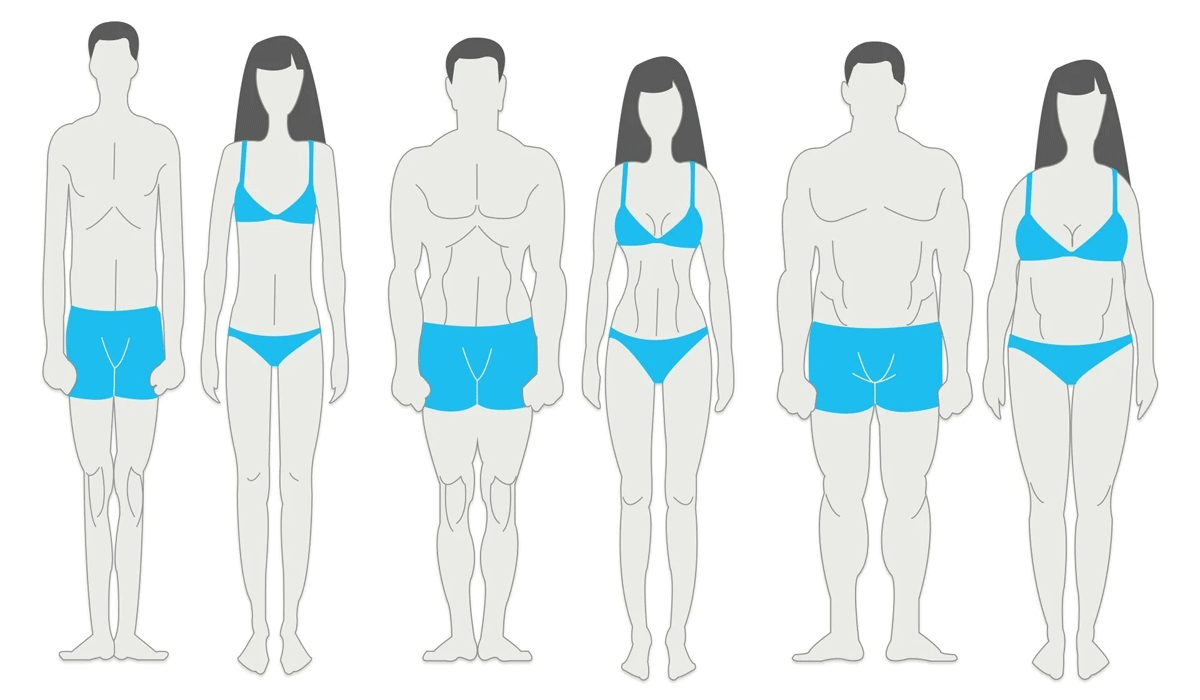
Building an ideal body requires an understanding of personal anatomy, metabolism, and specific fitness goals.
Building an ideal body shape starts with understanding body composition. Muscle mass, body fat percentage, bone density, and water retention all influence appearance and physical performance.
Focusing solely on weight can be misleading because two people of the same weight may look completely different. By tracking body composition through measurements, skinfold calipers, or bioelectrical impedance devices, individuals gain insight into progress beyond the scale.
Knowing your body type helps determine the appropriate type of exercise, intensity, and diet. Regular body evaluations can help monitor progress and achieve goals more efficiently.
Awareness of personal metrics helps create targeted training and nutrition plans to achieve balanced results. The following will Trattoeia Allasio – Let’s Tak Fitness Your Journey to Stronger, Fitter You.
Designing Effective Training Routines
Effective training routines require strategic planning. Resistance training promotes muscle growth, strength, and overall shape development, while cardiovascular exercises enhance endurance and calorie expenditure.
Combining compound movements like squats, deadlifts, presses, and rows with isolation exercises ensures comprehensive muscle engagement. Varying intensity, volume, and tempo prevents plateaus while encouraging continued progress.
Recovery days are crucial since muscles need time to repair and adapt. Regular assessment of training effectiveness allows adjustments for consistent improvement toward an ideal physique.
Nutrition Strategies For Optimal Results
Nutrition plays a critical role in shaping the body. Protein intake supports muscle repair and growth, while healthy fats and carbohydrates provide energy for workouts.
Timing meals around exercise sessions can maximize performance and recovery. Maintaining a calorie balance aligned with goals—whether fat loss, muscle gain, or maintenance ensures progress without compromising health.
Hydration influences metabolism, endurance, and overall well-being. Choosing whole foods, minimizing processed options, and adjusting macronutrients according to personal needs creates an environment conducive to achieving desired body shape.
Read Also:
Recovery And Lifestyle Factors
Recovery impacts both physical results and long-term health. Quality sleep supports hormone regulation essential for muscle growth and fat metabolism. Stress management reduces cortisol levels, which can hinder fat loss and muscle retention.
Active recovery methods like stretching, foam rolling, yoga, or low-intensity walks aid circulation and reduce muscle soreness. Lifestyle habits such as consistent sleep schedules, limiting alcohol, and avoiding sedentary behavior enhance training outcomes. Proper recovery integrates physical, mental, and emotional aspects, forming the foundation for sustainable body transformation.
Monitoring Progress And Adjustments
Tracking progress ensures the body responds positively to training and nutrition strategies. Photographs, measurements, performance metrics, and personal records help identify patterns of improvement or stagnation. Regular evaluation allows for timely adjustments in workout intensity, frequency, or nutrition plans.
Flexibility in approach prevents frustration, keeps motivation high, and encourages long-term adherence. Building an ideal body shape requires patience, consistency, and willingness to modify strategies based on individual responses and evolving goals.
Image Information Source:
- First Image from: thesweatbox.ca
- Second Image from: lifestylemedicine.org
About the Author