In today’s fast-paced lifestyle, maintaining a healthy and ideal body has become a priority for many people.
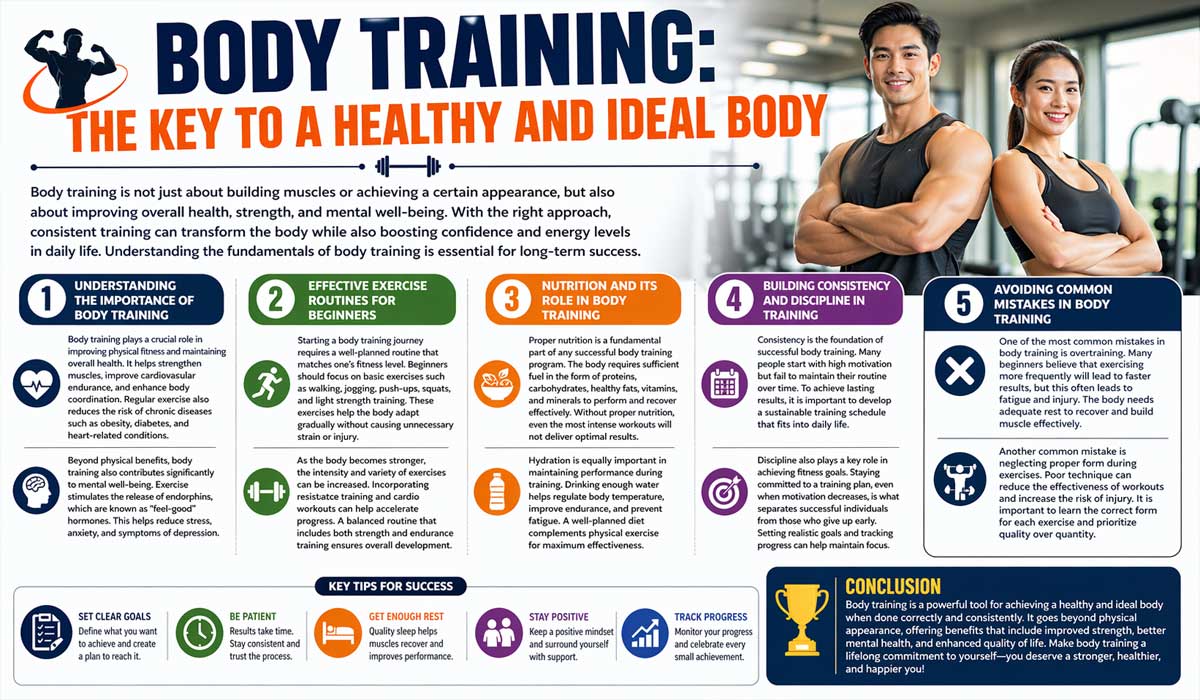
]Body training is not only about building muscles or achieving a certain appearance, but also about improving overall health, strength, and mental well-being. With the right approach, consistent training can transform the body while also boosting confidence and energy levels in daily life. Understanding the fundamentals of body training is essential for long-term success.
Understanding the Importance of Body Training
Body training plays a crucial role in improving physical fitness and maintaining overall health. It helps strengthen muscles, improve cardiovascular endurance, and enhance body coordination. Regular exercise also reduces the risk of chronic diseases such as obesity, diabetes, and heart-related conditions. By engaging in structured body training, individuals can build a strong foundation for a healthier lifestyle.
Beyond physical benefits, body training also contributes significantly to mental well-being. Exercise stimulates the release of endorphins, which are known as “feel-good” hormones. This helps reduce stress, anxiety, and symptoms of depression. As a result, individuals who engage in consistent training often experience better mood stability and improved focus in their daily activities.
Effective Exercise Routines for Beginners
Starting a body training journey requires a well-planned routine that matches one’s fitness level. Beginners should focus on basic exercises such as walking, jogging, push-ups, squats, and light strength training. These exercises help the body adapt gradually without causing unnecessary strain or injury. Consistency is more important than intensity at the early stage of training.
As the body becomes stronger, the intensity and variety of exercises can be increased. Incorporating resistance training and cardio workouts can help accelerate progress. A balanced routine that includes both strength and endurance training ensures overall body development. It is also important to include rest days to allow muscles to recover and grow properly.
Nutrition and Its Role in Body Training
Proper nutrition is a fundamental part of any successful body training program. The body requires sufficient fuel in the form of proteins, carbohydrates, healthy fats, vitamins, and minerals to perform and recover effectively. Without proper nutrition, even the most intense workout routines will not deliver optimal results. A balanced diet supports muscle growth and energy production.
Hydration is equally important in maintaining performance during training. Drinking enough water helps regulate body temperature, improve endurance, and prevent fatigue. In addition, consuming nutrient-rich foods such as lean meats, vegetables, fruits, and whole grains can significantly enhance training results. A well-planned diet complements physical exercise for maximum effectiveness.
Read Also: Train Smarter, Get Stronger: The Science Of Effective Body Training
Building Consistency and Discipline in Training
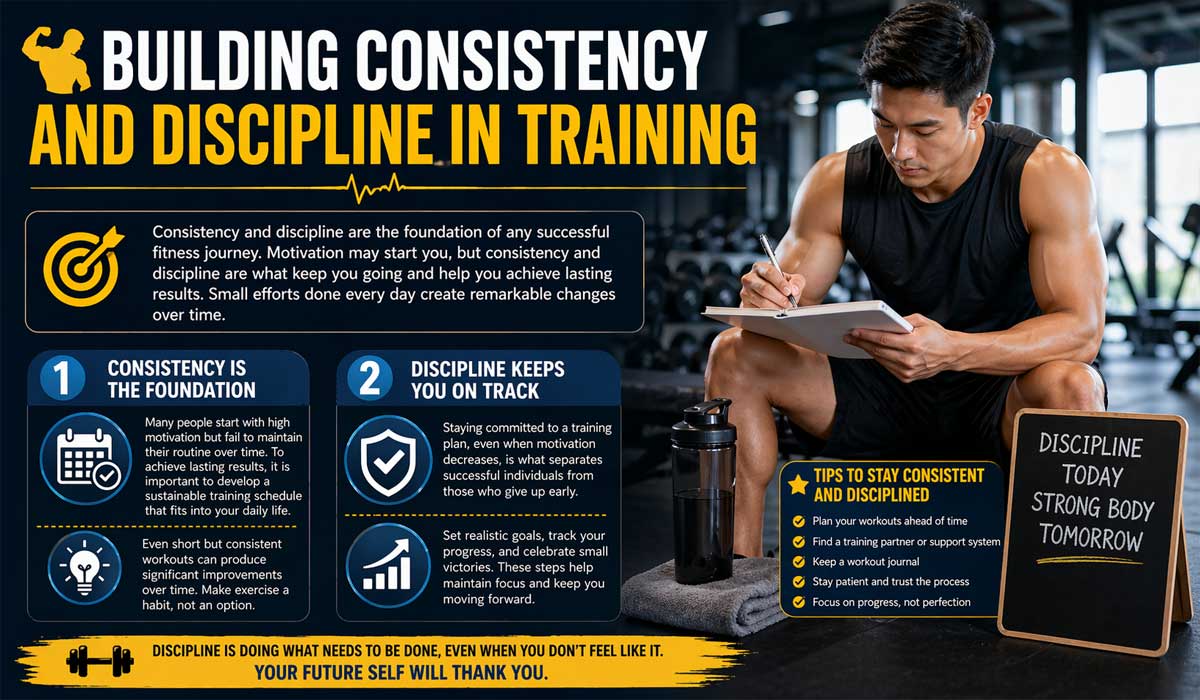
Consistency is the foundation of successful body training. Many people start with high motivation but fail to maintain their routine over time. To achieve lasting results, it is important to develop a sustainable training schedule that fits into daily life. Even short but consistent workouts can produce significant improvements over time.
Discipline also plays a key role in achieving fitness goals. Staying committed to a training plan, even when motivation decreases, is what separates successful individuals from those who give up early. Setting realistic goals and tracking progress can help maintain focus and motivation throughout the journey.
Avoiding Common Mistakes in Body Training
One of the most common mistakes in body training is overtraining. Many beginners believe that exercising more frequently will lead to faster results, but this often leads to fatigue and injury. The body needs adequate rest to recover and build muscle effectively. Ignoring rest periods can slow down progress instead of improving it.
Another common mistake is neglecting proper form during exercises. Poor technique can reduce the effectiveness of workouts and increase the risk of injury. It is important to learn the correct form for each exercise and prioritize quality over quantity. Seeking guidance from fitness professionals can help prevent these issues.
Conclusion
Body training is a powerful tool for achieving a healthy and ideal body when done correctly and consistently. It goes beyond physical appearance, offering benefits that include improved strength, better mental health, and enhanced quality of life.
By understanding the importance of exercise, following effective routines, maintaining proper nutrition, and staying disciplined, anyone can achieve long-term fitness success. Avoiding common mistakes further ensures steady progress and reduces the risk of setbacks. Ultimately, body training is a lifelong commitment to health and well-being.
About the Author